This month’s article was provided by Alicia Hamann, the executive director at Friends of the Eel River–one of the organizations SCFF supports. The work they are doing is especially important as they are deeply engaged in the effort to remove the Scott and Cape Horn Dams on the Eel river. Please help their cause by making your comments to the FERC in support of removing the dams: Caltrout Action Alert. Be aware that the deadline for comments has been extended to September 18th (not July 24th).
Friends of the Eel River was founded just over 30 years ago to pursue recovery of the Wild and Scenic Eel River, its fisheries, and communities. The Eel is the third largest watershed in the state of California, draining about 3,600 square miles of vast roadless areas and wild landscapes that provide high quality, connected habitat for many species of native fish. Of particular interest to both fishing communities and conservationists are the California Coastal Chinook, threatened under the Federal Endangered Species Act; Southern Oregon Northern California Coho, threatened under both the California and Federal Endangered Species Act; and both winter and summer run Northern California Steelhead, winter run listed as threatened under the Federal ESA and summer run listed as endangered under the California ESA.
The abundant, high quality habitat in the Eel offers incredible potential for restoration of these once abundant fish runs. Over a century ago, at least a million anadromous fish returned to the Eel each year, today annual returns hover around 20,000 fish.
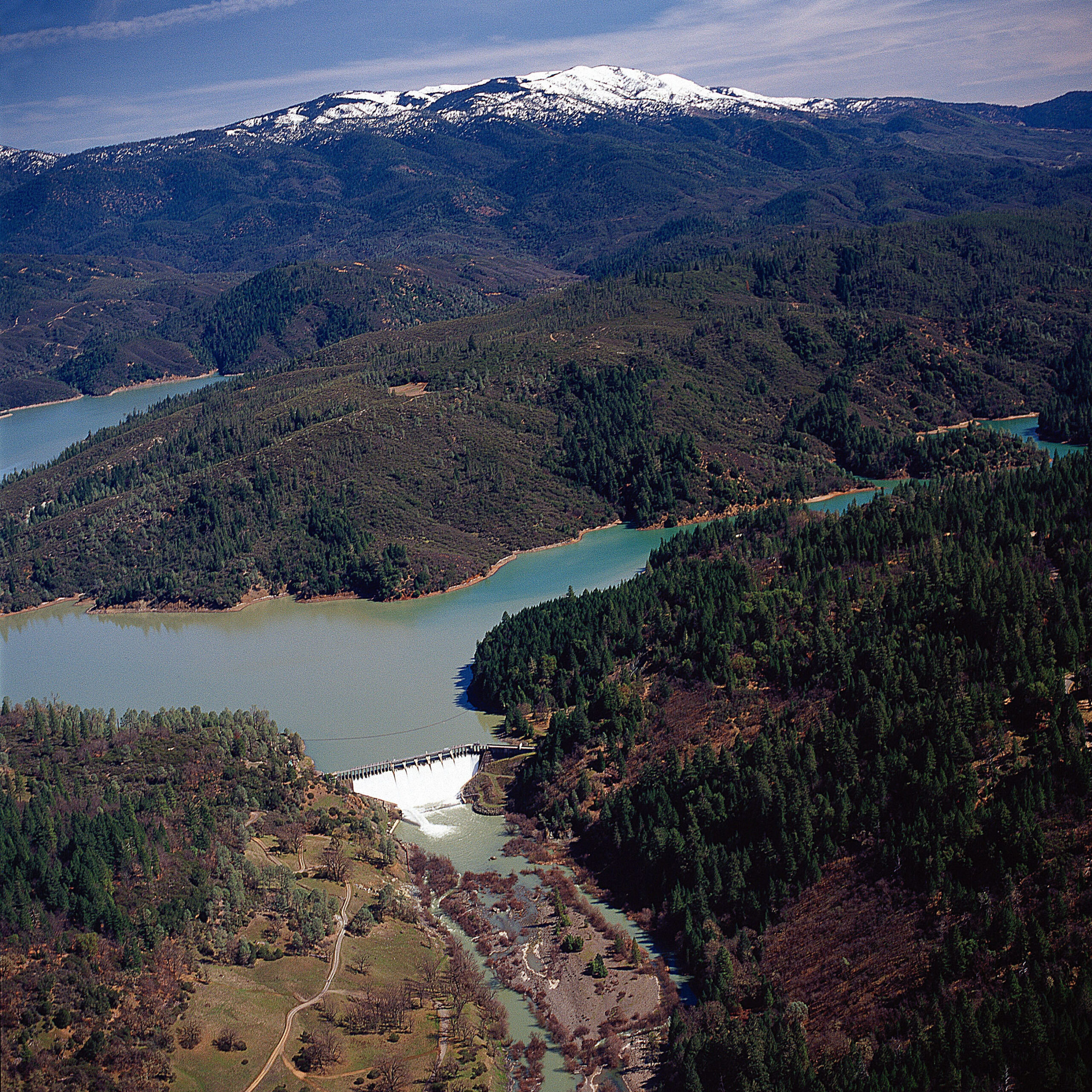
Friends of the Eel River has long focused on removal of the two dams in the headwaters of the mainstem as the most important restoration opportunity in the entire basin. The dams, Cape Horn and Scott, along with an interbasin diversion and a small powerhouse, make up PG&E’s Potter Valley Project. This failed hydroelectric project has blocked fish passage to over 280 miles of high quality, cold-water steelhead habitat since Scott dam was constructed without a fish ladder in 1922. The Potter Valley Project causes harm to the river ecosystem in a number of ways including disruption of the natural flow of sediment, accumulation of methylated mercury in aquatic organisms living in the reservoir, increasing water temperatures in the upper basin, and supporting proliferation of the invasive and predatory Sacramento pikeminnow.
The good news – PG&E is eager to decommission this liability-ridden hydroelectric project. It has not generated electricity since 2021, and even then cost PG&E rate payers far more to operate than the value of the small amount generated. The dams also pose a significant safety risk. Not only are fish living in the reservoir contaminated with dangerous levels of mercury, the century-old Scott dam sits on a major fault complex capable of generating up to an M 7.2 earthquake. This is why PG&E now manages the reservoir at a 25% reduced capacity, in the hopes that it will reduce the risk of downstream fatalities in the event of a major earthquake.
As part of our decades-long work ensuring the Eel River dams will one day be removed, Friends of the Eel River has successfully petitioned to list Northern California summer steelhead under the California ESA, we have led fishing derbies to help eradicate Sacramento pikeminnow (our friends at TRIB Research are hosting one now through Aug 31!), we’ve filed two ESA lawsuits against both PG&E and the Federal Energy Regulatory Commission (FERC), and we have filled the federal record with boat loads of evidence detailing the harms the dams cause and the opportunities presented by their removal.
Despite the ill-conceived interventions of the Trump administration and two Southern California water agencies, the regulatory process for dam removal is moving along. FERC has just commenced its National Environmental Policy Act process to assess the impacts of dam removal and was quite clear in their scoping that there is no realistic possibility to retain the dams.
Friends of the Eel River’s work to protect and recover the Eel extends beyond dam removal. We are also leading efforts to enact meaningful regulation of groundwater use in the lower basin where surface flows are strongly connected to groundwater. We occasionally engage in advocacy or policy work intended to improve water quality, including addressing pollution, inadequate flows, and violations of the Clean Water Act. And of course, we recruit new Eel River fans by doing public education at community events, leading hikes, hosting podcast episodes, and collaborating with a wide network of allies.
In the past year we’ve launched two new programs, first the Eel River Native Plant Network which seeks to connect Tribal Nations, restorationists, and others to collaborate on increasing regional production of native plant materials. When the Eel River dams are removed, restorationists might need as much as 300,000 lbs of seed to revegetate the project footprint. We’re trying to get a head start on collecting and amplifying seed, as well as advocating for the use of native and culturally significant plants sourced from within the region. We’ve also just begun a 3-year planning project to assess and repair crumbling road networks in four areas spread throughout the Eel basin. This project includes training for Tribal staff, NGOs, and rural residents to build capacity for infrastructure maintenance.
You can learn more about FOER or join the tide of dam removal supporters at eelriver.org.
Posted on July 31st, 2026