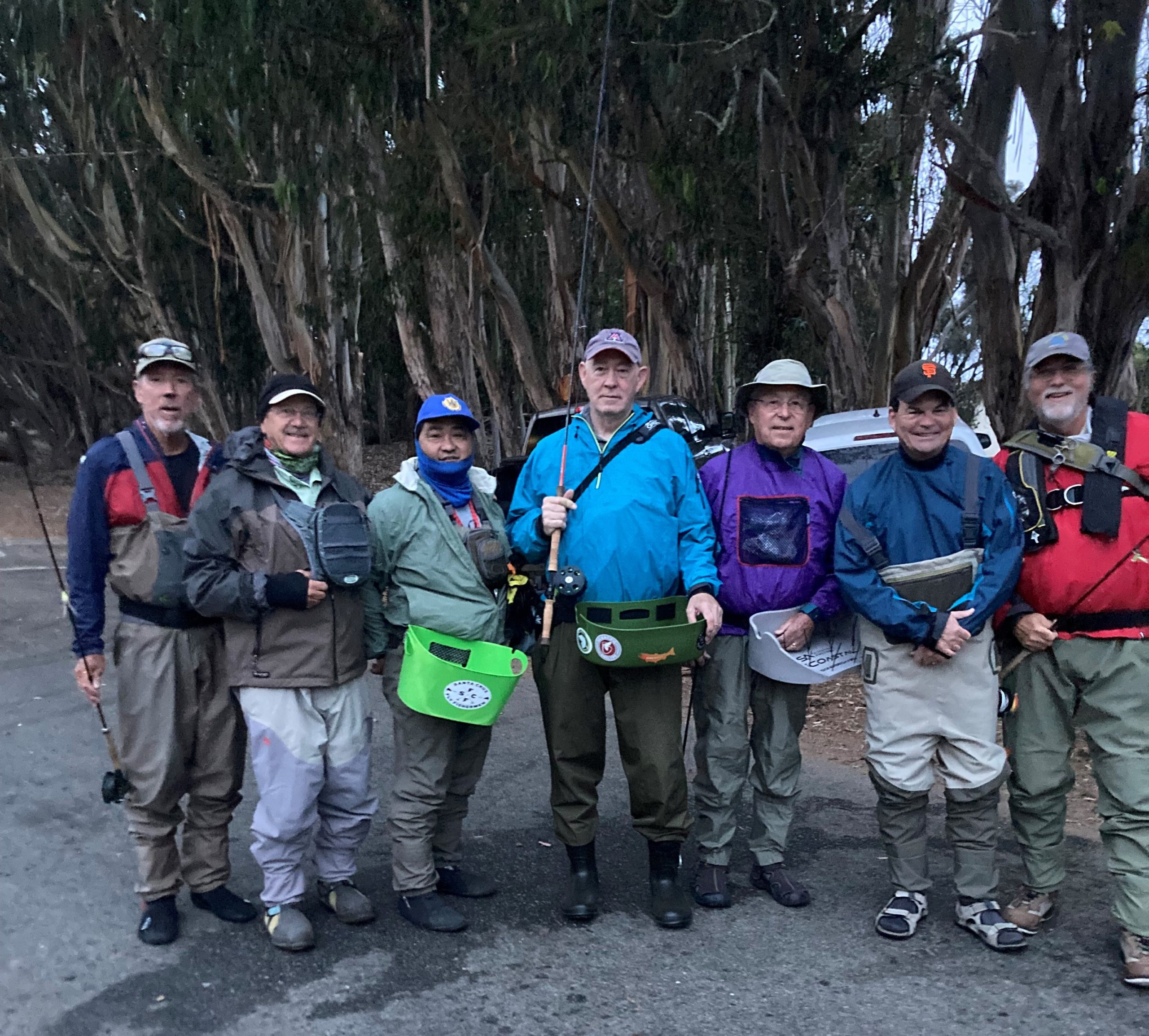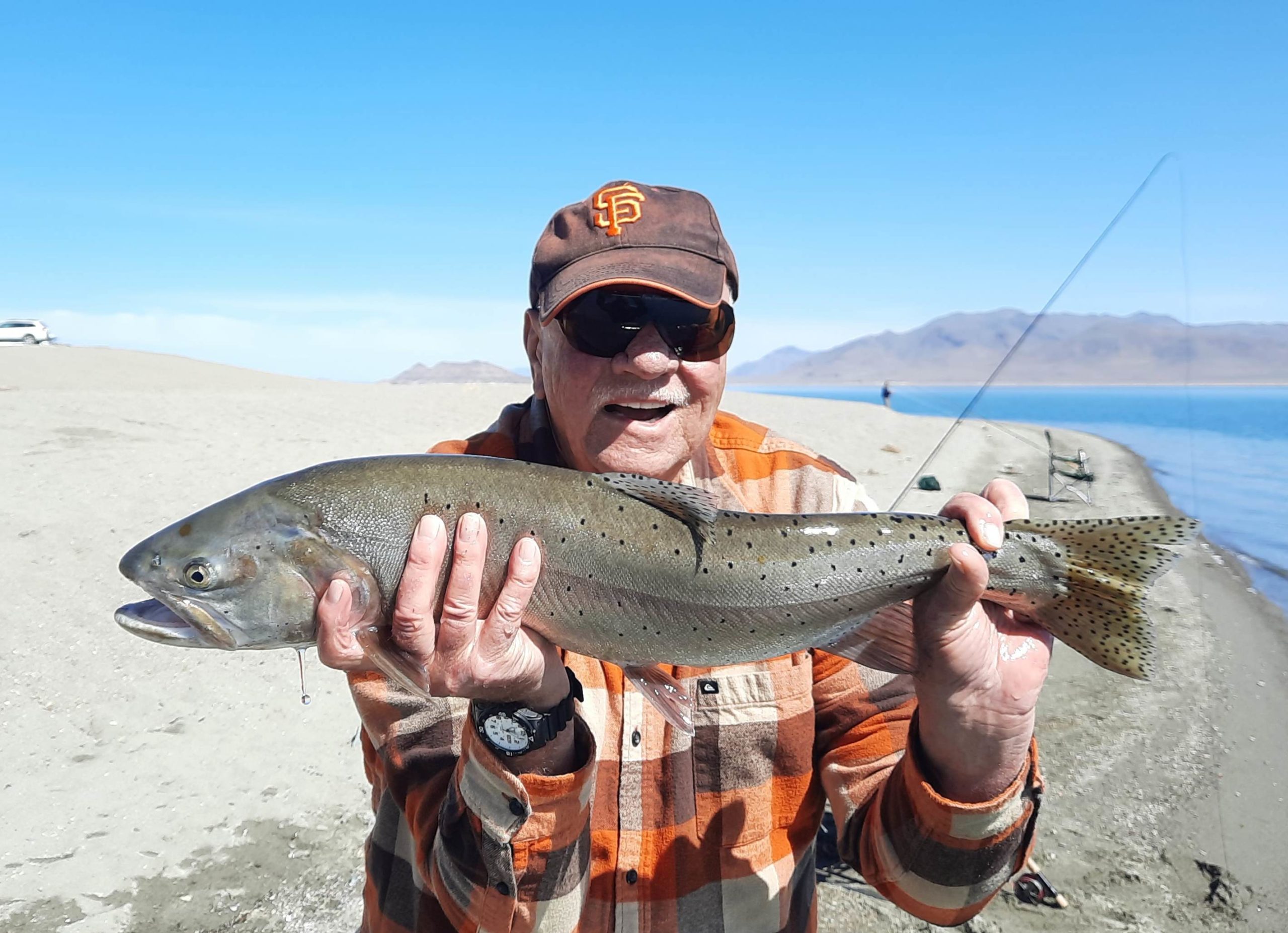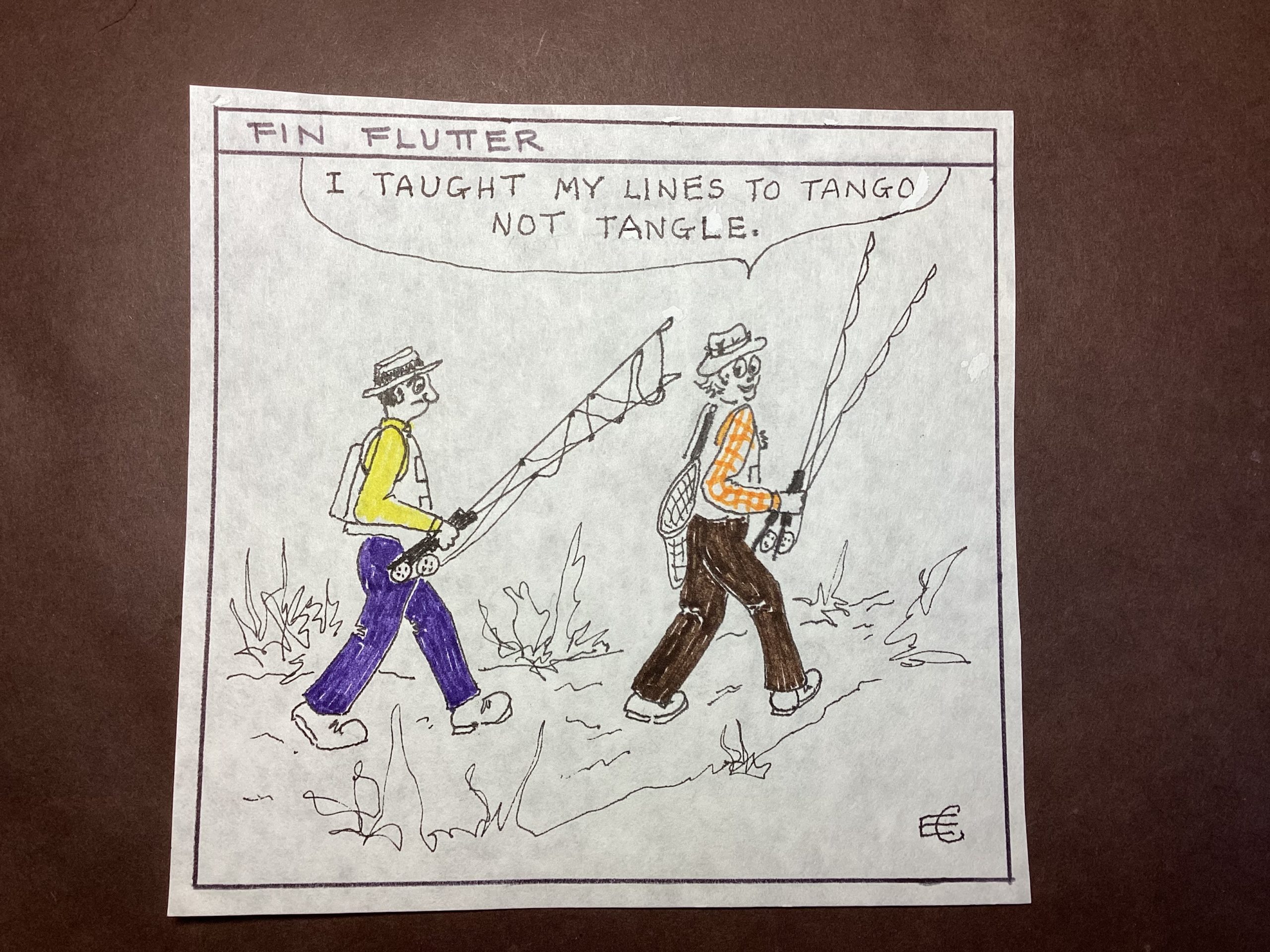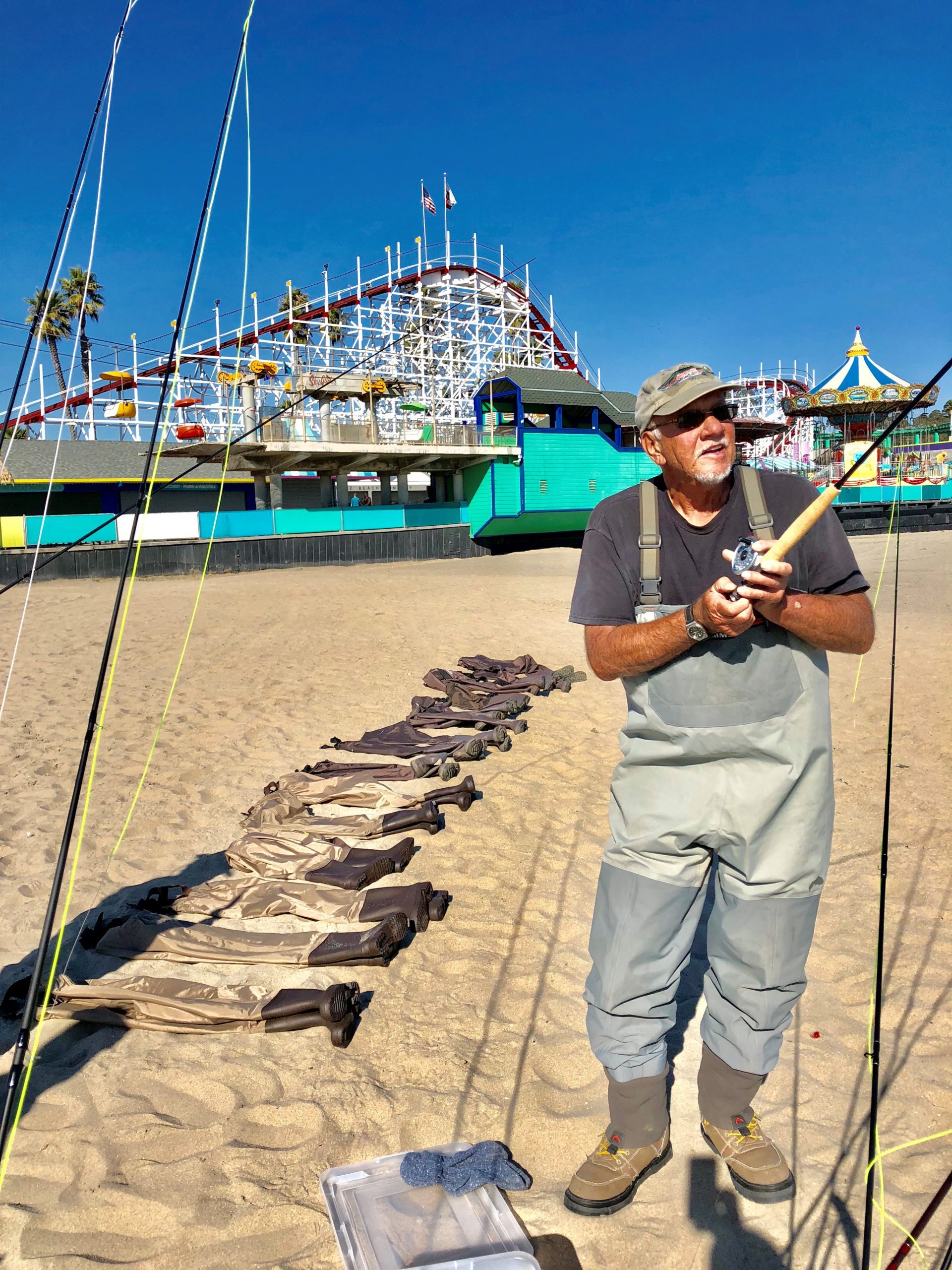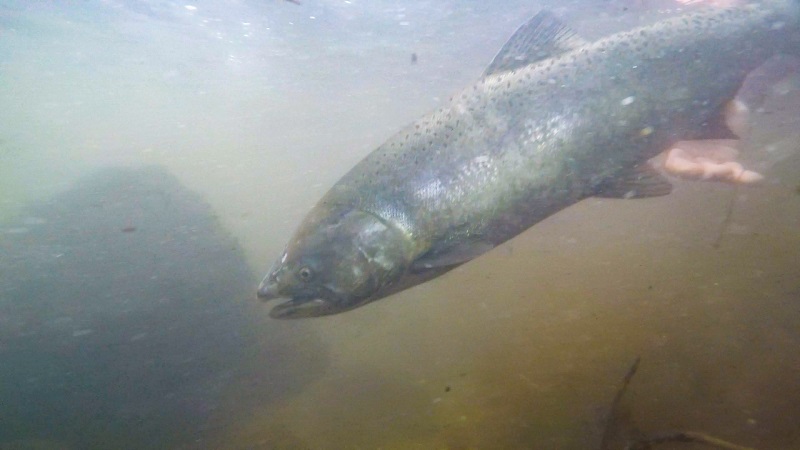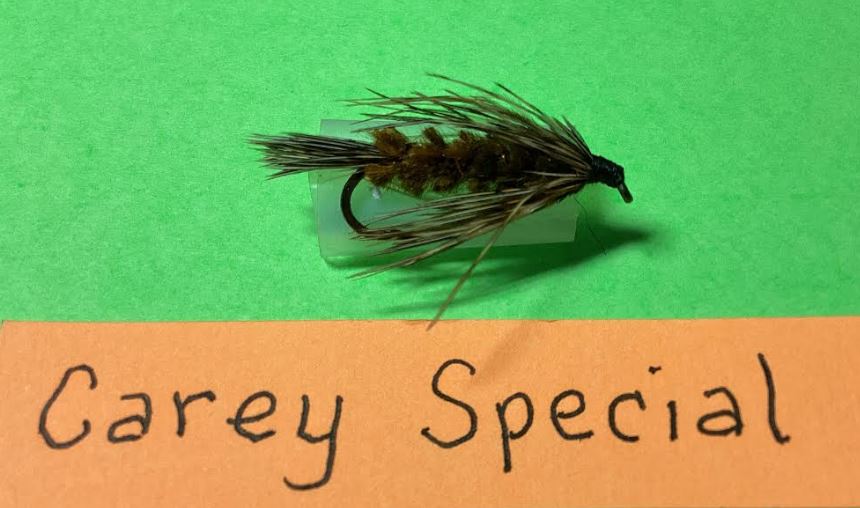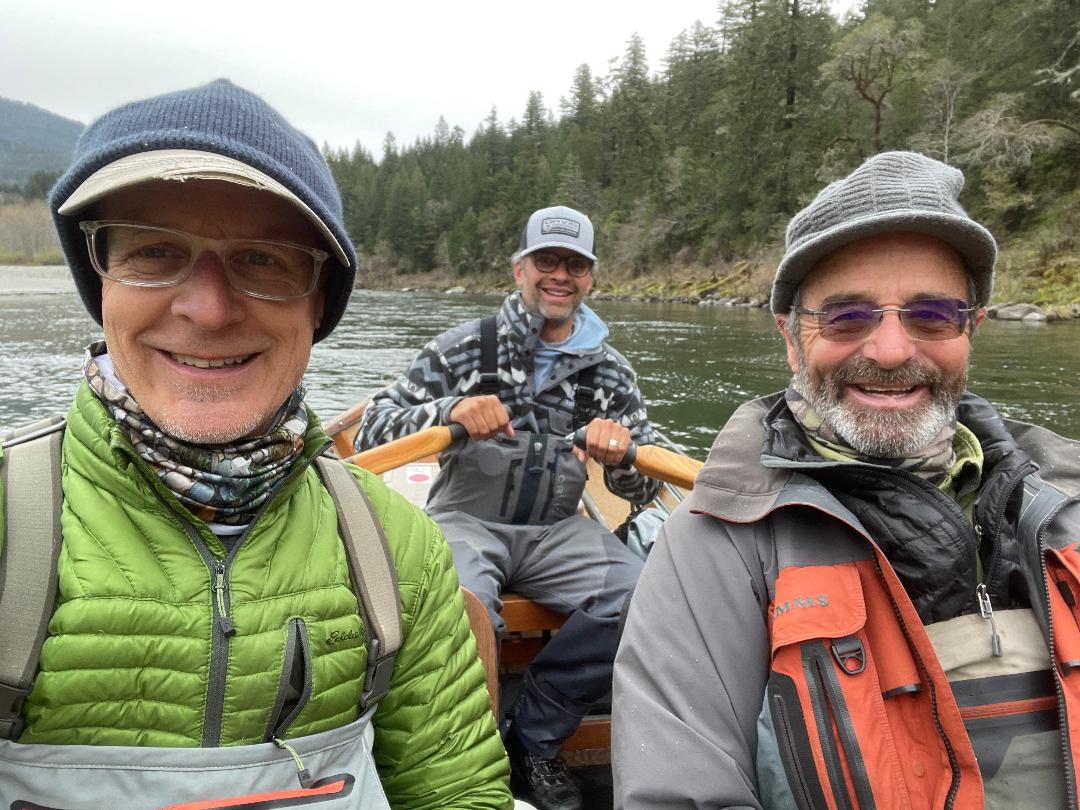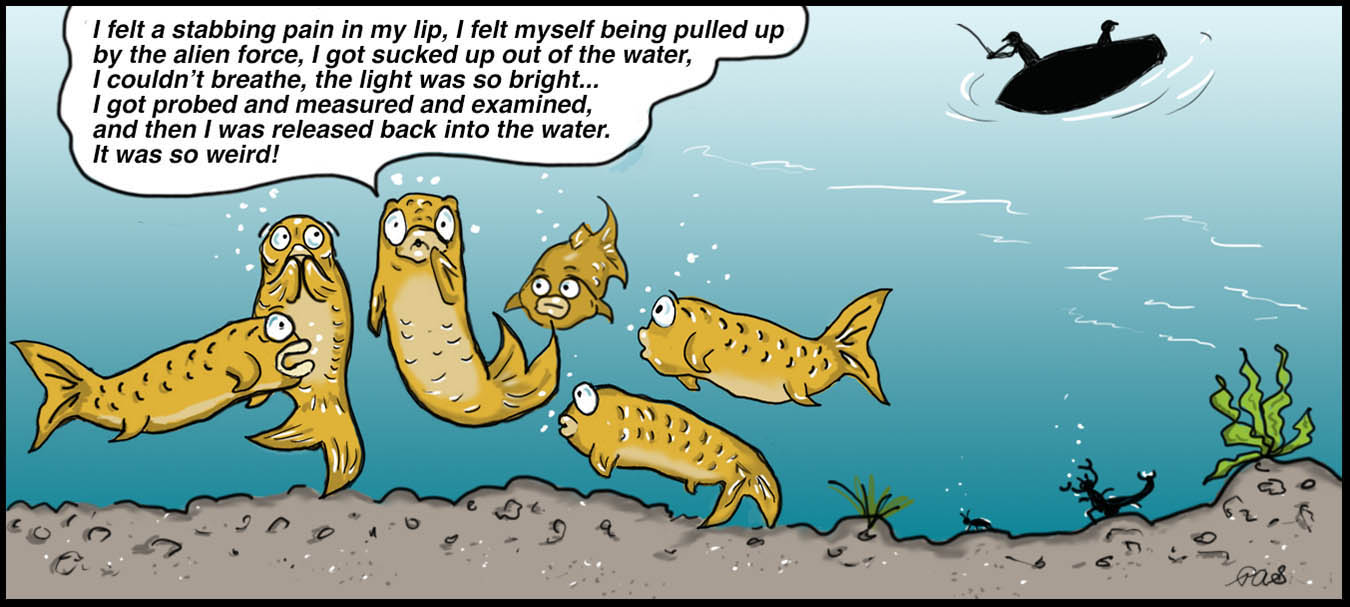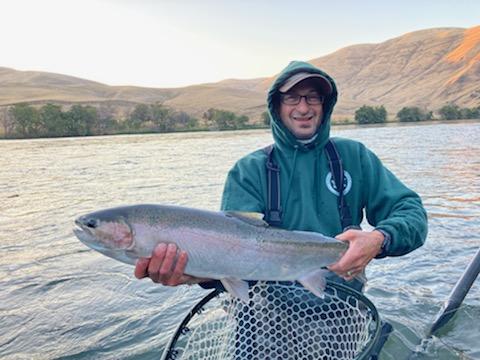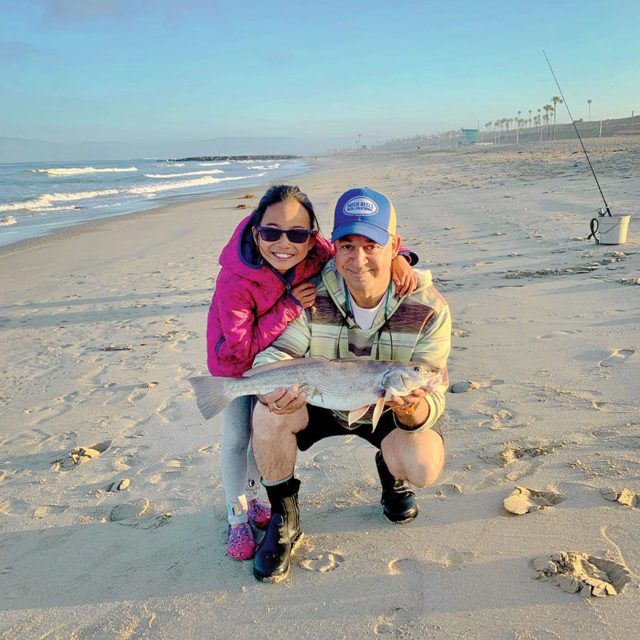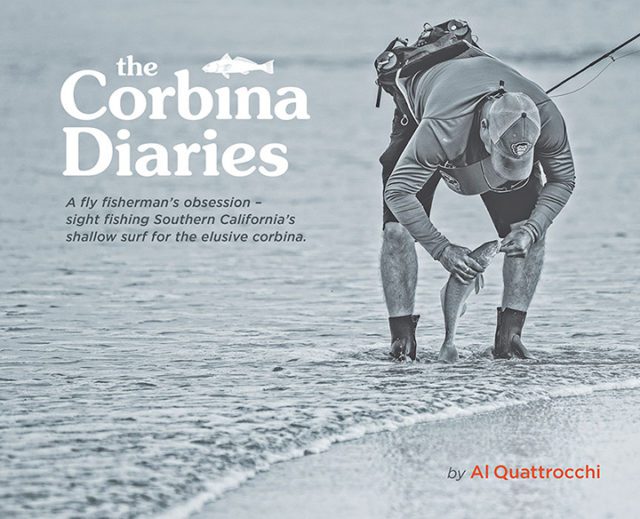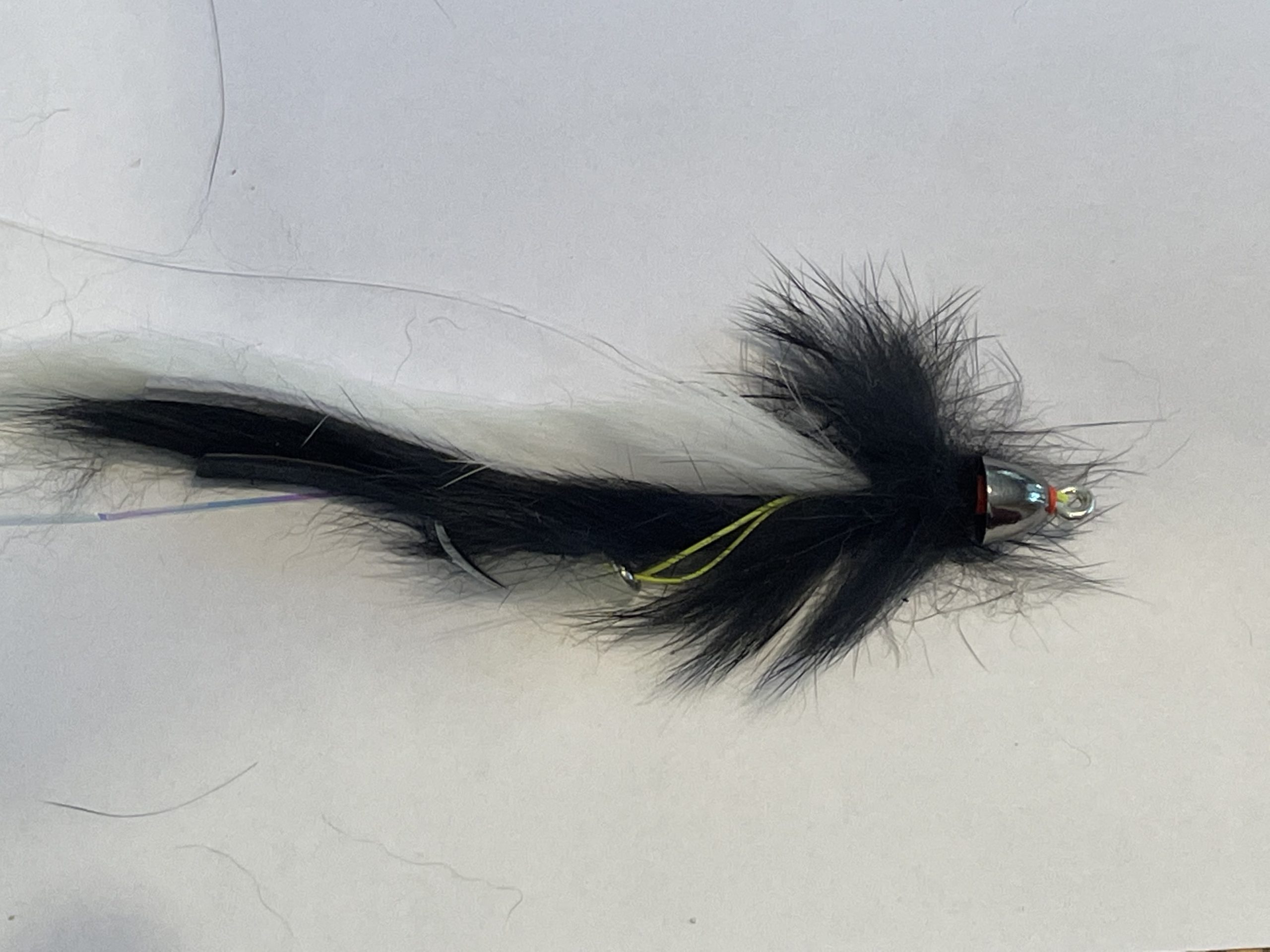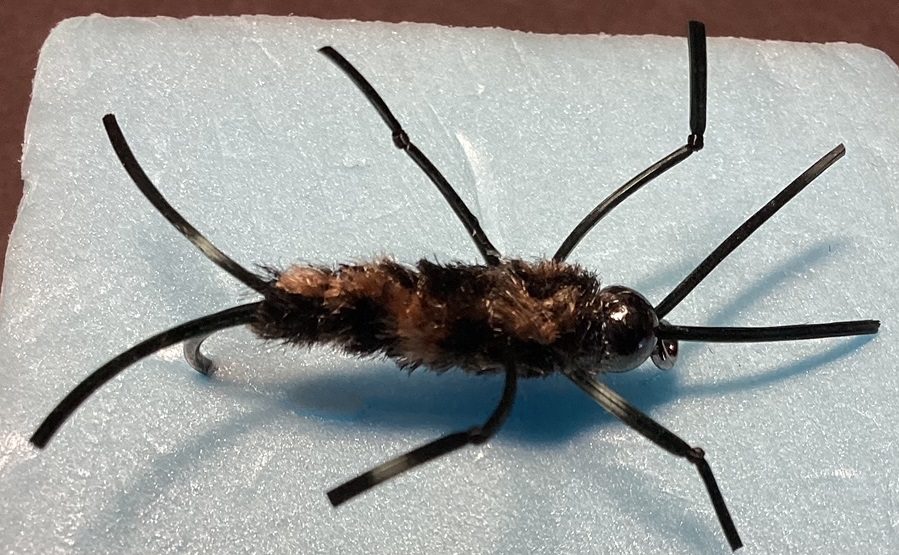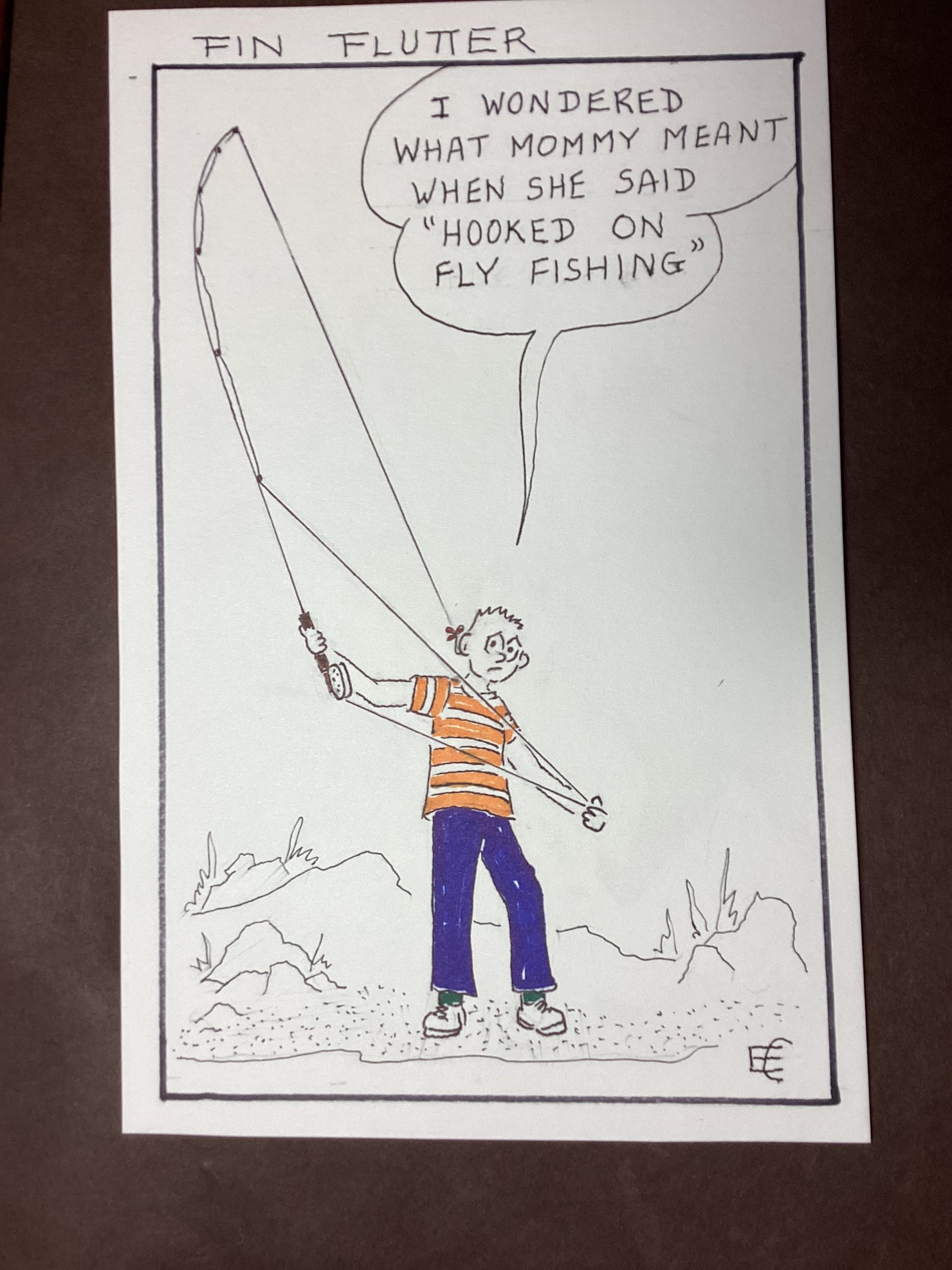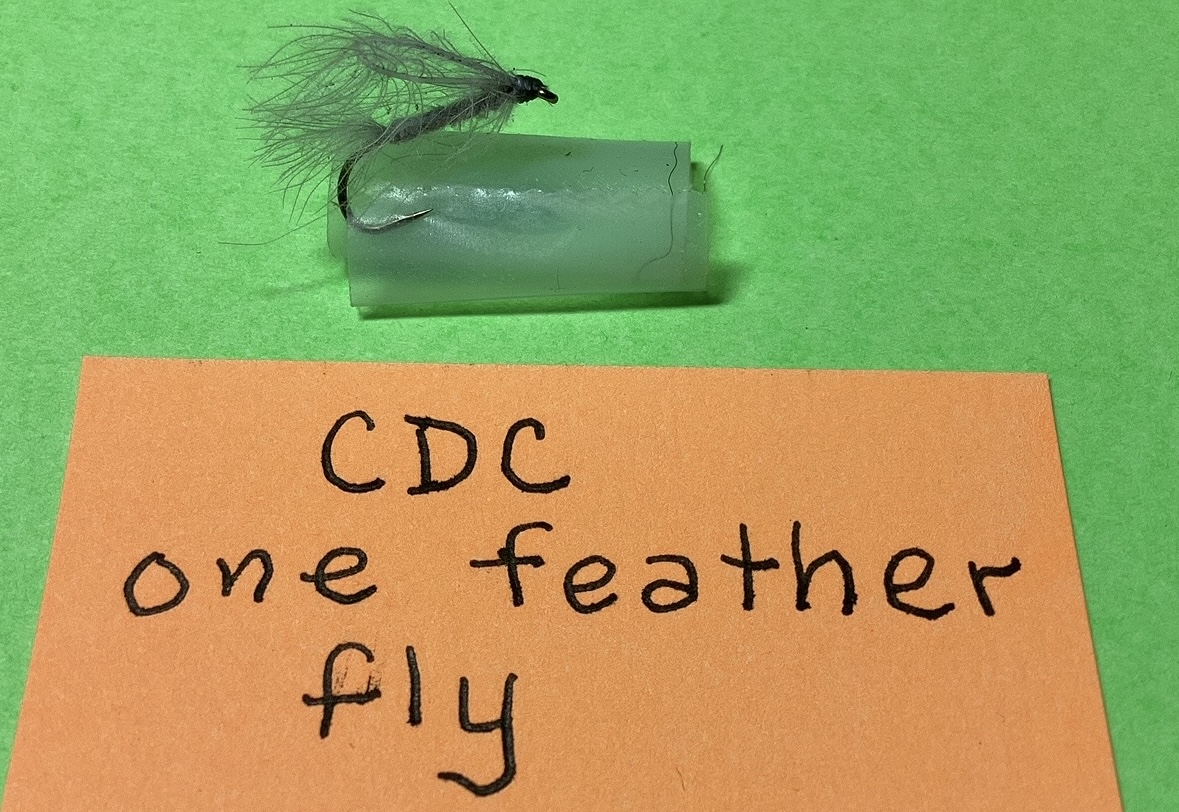
Fish must think this is what happens when they get caught!
Posted on April 26th, 2022

Posted on April 26th, 2022
mobile scrollable table
| EVENT NAME | EVENT DATE | SPECIES | FISH MASTER |
|---|---|---|---|
| Manresa Surf Fishout | Jul 11 | ||
| Palm Beach Surf Fishout With The Delta Fly Fishers | Aug 01 | ||
| Yuba River – 21 Aug 26 | Aug 21 - Aug 23 | ||
| Alaska Kenai Peninsula Fly Fishing | Sep 08 - Sep 15 | ||
| Mammoth Fishout -Sept. 19-Oct. 3rd 2026 | Sep 19 - Oct 03 | Trout | John Cook fishmaster-- (831)688-1561 or (831)234-6515 |
| Lower Sacramento River Group Float – Hosted by the Delta Fly Fishers | Oct 10 | ||
| O’Neill Forebay ‘Stosh’ Memorial Fishout October 15-18th | Oct 15 - Oct 18 | ||
| Trinity River Fishout | Nov 13 - Nov 15 |
Location: Manresa State Beach
Directions: Take San Andreas Road from the freeway all the way to the coast, passing under the railroad bridge and continuing beyond the State Park until you get to Oceanview Drive. Turn there, bear to the right and park in the parking lot
Fish Master: Sam Bishop / 831-274-4024 / sambishop@totlcom.com
At 0545 am, Saturday, July 11 our club surf fishout will be at Manresa Beach. This is a beach that can challenge you and pleasantly surprise you. Stripers catches are not unusual on this beach.
Sunrise is at about 6 am, so you should be there ready to fish by 15 minutes before that.
Around 8 – 8:30 am I will be back up in the parking lot and serving some hot snacks, quesadillas probably. No coffee though, so bring your own beverage if desired.
There is a minus 3.4’ tide at 3 am and high is 3.4 at 10 am, so we will be fishing an incoming tide. Some people believe that is the best type of tide, but I cannot verify it. Seems to me when the fish are hungry they bite. Very little moon that night too, which should be good.
Newcomers to fly fishing the surf are welcome, but please go to our club website, drop down menu “KNOWLEDGE” and read the “Surf Fishing Info” section. And if you are really new to fly fishing and do not know how to cast, this is not the place to learn.
Any additional questions, call or email me at 831-274-4024 sambishop@totlcom.com. I will have a couple spare stripping baskets to loan and flies to give away.
Additional Details to Follow
Cost: Maybe some lost flies…and the fish of a life time
Special Considerations / Links: Tides, Wind, Swell, tidesandcurrents.noaa.gov/
Lodging / Food: See above
Fishmaster: Scott Kitayama / scottkitayama@gmail.com
Location: Palm Beach
Target Species: Surf Perch and Stripers
Gear: 6-8wt. Rods with full sinking lines or shooting heads to match the rod. Polarized glasses (safety),
Mandatory Accessories: Wader Belt & Stripping Basket
(If a basket is needed, some maybe available to borrow or purchase. Please contact the Fishmaster ahead of time. Also there are many DIY Stripping Basket making tutorials online)
Single, double & triple fly rigs
Clousers to sand crabs
Directions: Take W. Beach St. in Watsonville towards Pajaro Dunes. Park at the end of W. Beach St. on the right side of the road outside of the entrance to Pajaro Dunes.
Note: The Delta Fly Fishers will be joining us on this Fishout. Join us and meet some new people and trade some notes.
Day High Tide Height Sunrise Moon Time % Moon
/Low Time Feet Sunset Visible
Sa 1 Low 6:52 AM 0.0 6:14 AM Set 9:14 AM 95
1 High 1:35 PM 4.3 8:15 PM Rise 9:56 PM
1 Low 6:49 PM 2.3


The information provided below has been modified from the Grizzly Peak Fly Fishing Club and Tri-Valley Fly Fishing Club (2022-23)
Special Notes
The outing is limited to 20 people. With a $50.00 buy in payable to the club. Jump to reservation form
Due to the limited capacity, reserving your spot is first come first serve starting July 1st at 9am thru the club website. Payment due at time of reservation. No refunds.
Camping will be available on the property beginning at 4 PM Friday and extending to Sunday evening. Fishing hours are dawn to dusk. Gate code will be sent out as we get closer to the Fishout date. Each angler will be responsible to close the gate behind them. The gate code will be emailed to us the week before the trip. Additional details to follow as we get closer to the date
The Lower Yuba is accessible from the sea – you must have a 2026 California Steelhead Reporting Card in addition to your fishing license. Unlike the license, the report card must be delivered in hard copy, either by snail mail or by hand from a fishing store. Plan ahead!
Location
University of California Sierra Foothill Research and Extension Center, 8279 Scott Forbes Road, Browns Valley, CA 95918. Meet at the gate to the river road (N39.24672°, W121.32222°), which is on your right about 1/3 mile before you reach the research center. Note that, misleadingly, there is a sign at the gate that says “No Fishing Access”. The gate will be opened and then locked behind us. 2.5 hrs from Berkeley. Take I-80 east to Sacramento, turn onto I-5 north, then onto Hwy 70 to Marysville. Pass through downtown Marysville on 70, and as you round the lake, turn right onto Hwy 20 east. Continue 15 miles, pass the Sycamore Ranch Campground. At the sign to the UC Station, turn left onto Peoria Rd, and then at another sign, bear right onto Scott Forbes Rd (also called Long Bar Rd). The gate is just past Sicard Flat Ditch. SCFFC strongly encourages carpooling.
General Notes
Our Club event on the Yuba will be on the private property owned by the University of California and is one of their Sierra Research facilities. We have contracted for TVFF’s exclusive use of the facility for the two days over the weekend. The river is about 1.5 miles above the highway 20 bridge over the Yuba and accessible only through a locked gate for a maximum of twenty (20) anglers per day. There is approximately 2.5 miles of available river that is the tailwater section a mile or so below Englebright Dam. The river has easy and level access, so it’s ideal for those less comfortable in heavy current wading situations, although that is also available for those Euro Nymphing.
The UC facility is on many acres in a pastoral valley leading down to the river. Most of the research here is for cattle, grazing land management, and erosion control so it is very quiet with no nearby roads, ranches, or houses. There is a covered picnic area that sits above the river with 8-10 picnic tables and a porta potty restroom with hand wash station that is also available on site. No water on site, limited cell phone reception, no fires. All in all, it’s a very scenic and serene site.
Gear and Tackle Recommendations:
Yuba River fish are notoriously “hot” and frisky. They workout full time in the strong current and just love to play in it when disturbed by a sharp hook. Anticipate that you will see strong runs on hook ups and that the fish will feel like they are 4-6″ larger than you see in the net. So…
Rod & line weights/types: 5 or 6 weight rods, reels and floating lines are the norm to help control their runs. A 4 weight for Euro Nymphing should work well as long as it has a good stiff butt section to manage any runs.
Leaders and tippet: Fishing style dependent but normally I fish a 9’ 4X leader and adjust with added tippet of up to 4-6’ of 5 for the dry flies, and stick with 4X fluoro for the nymphs.
Other gear:
Note that we will not be using any watercraft as this is a walk and wade event with float takeouts way too far downstream to be of use for us.
Flies: Flies to match and we will send out a more current list as we get closer to the dates and better understand how the weather and water are impacting the hatches. Typically, you will need Skwala dries and nymphs, Pale Morning Duns, Baetis/Blue Wing Olives, Pink Alberts, Little Yellow Sallies, Pale Evening Duns, Golden Stones, and four varieties of Caddis.
Location / Date
University of California Sierra Foothill Research and Extension Center, 8279 Scott Forbes Road, Browns Valley, CA 95918.
August 21st – 23rd 2026
Fishmaster
TBD – Please contact Justin Ice if interested in hosting this event justin@schwagerdavis.com


September 8–15, 2026
(Additional week: September 1–8, 2026, if enough anglers)
Each week will be made up of 8 anglers, with Rick and Jesse serving as hosts. This document provides an outline of the fall Alaska fly fishing trip. All projected dates and plans are subject to change based on weather conditions.
Arrive in Anchorage. Groups will pick up Turo rental vehicles and drive to a rental cabin near Sterling (between Soldotna and Cooper Landing). Groceries and supplies will be purchased in town.
Drift boat fishing on the Upper Kenai River with Rick and Jesse (weather permitting, possibly through the canyon). The third group will wade fish the Russian River.
Drift boat float from Skilak Lake outlet to Bing’s Landing on the Middle Kenai for Rainbow Trout and Dolly Varden, with potential Coho opportunities. The wade-fishing group will travel south to the Anchor River for Steelhead.
Rick and Jesse’s groups will either fish the Upper Kenai again for Rainbow Trout or float the Kasilof River from Tustumena Lake to the bridge for Steelhead and Silver Salmon.
Groups consolidate into two groups of five anglers. Fishing will take place on the Anchor River and Deep Creek for Steelhead. If weather conditions prevent fishing, the group will fish the Russian River.
Both groups fish the Upper Kenai and Russian River together. Optional hike to the Upper Russian River to view salmon jumping the falls.
Optional saltwater fishing charter for one group while the other group fishes for Steelhead or Trout.
Drive back to Anchorage, return Turo rentals in daily parking, and depart Alaska.
The group will dine out in town for three dinners. The remaining four dinners will be prepared at the cabin, with two anglers paired each night to cook. Breakfast and lunch planning will be finalized once all anglers are confirmed.
If an angler decides not to attend, they are responsible for selling their spot to another angler or forfeiting their portion of the rental costs (deposits & payments are non refundable).
Jesse Collins
C: 831-227-9987 <jesse@jcollinsproperties.com>
Rick Chace
C: 831-234-9200 <rchace@got.net>
Jesse & Rick will be hosting a table at the January SCFF meeting. At that time will take $700.00 deposits on the trip.


General: We will be staying in condominiums in the town of Mammoth Lakes (Max limit 8 per week). The condo complex has a lovely hot tub, so bring your suit. Two people per bedroom. Most people bring a sleeping bag to share queen size bed or a pad and sleeping bag to sleep on floor. A private room option is possible at an increased fee.
Cost: Shared single: $500/wk, $1000/2 wks.
Sign Ups: We will begin taking Mammoth reservations and money starting at 6:30 pm on Wednesday, March 4th (at the March Meeting). Please note that you are NOT on the list until I have your check, YOUR CHECK SAVES YOUR SPOT!
Check Payable to: Scott Kitayama. Mail: 36 Pima St, Watsonville, CA 95076
Group is limited to 8 in the condo per week. COST: $500/person . Please note that you are NOT on the list until I have your check, YOUR CHECK SAVES YOUR SPOT!
Payment of $500 is required to secure your spot. we need people to sign up as soon as possible. Should you need to cancel, you can find someone to take your place and get your money back.
Fishmasters:Scott Kitayama: scottkitayama@gmail.com , mobile: 650 279 5871 and Randy Saar: randy_saar@yahoo.com, mobile: 650 269 6138
Dates: This Fishout will take place over two consecutive one-week periods. You may sign up for one or both weeks. Week 1: Sept 19- Sept 26. Week 2: Sept 26 – Oct 3.
Location: The town of Mammoth Lakes is located on the eastern side of the Sierra, 6 or 7 hours drive from Santa Cruz. There are many lakes and streams in the area to fish.

Food Preparation: Breakfast and lunch items will be purchased by the Fishmaster ahead of time. Each person will be assigned a Kitchen Day. On that day, tasks will include setting out breakfast and lunch items, store unused food, and preparing the evening meal and clean up afterwards. Each person will be responsible for a dinner that you will need to purchase and prepare. You will then be reimbursed for the cost for the dinner.


Greetings,
The Delta Fly Fishers have offered the Santa Cruz Fly Fishing Club the opportunity to join them on their annual guided float trip on the Lower Sacramento River.
See the information below from the Fishmaster Robert Fujimura.
Lower Sacramento River Group Float Outing with Santa Cruz Fly Fishing Club– Saturday October 10, 2026
Delta Fly Fishers are happy again to invite your club to join this annual Delta Fly Fishers outing with host Scott Sugimoto of On the Riffle Guide Service and his guides and support staff for another awesome day on this famous tailwater fishery for resident rainbow trout. Scott and his team have successfully hosted our club annually for several years during the prime fly fishing season. The Lower Sacramento River fishing has been a reliable and renowned trophy trout fishery of the West. Suitable for novice fly fishers but still fun and challenging for the more experienced ones.
Participants will have a full day of guided indicator nymph fishing from a drift boat with an experienced guide per two anglers. Fishing gear, flies, shuttle service, and all you can eat group BBQ lunch are provided. The guide fee of $300 per person (double occupancy per boat) does not include tip.
Please contact Bob Fujimura to register and pay your guide fee before August 30 or earlier (email [deltaflyfishers@gmail.com] . Early registration will help ensure that we reserve our guides in advance – so don’t delay in registering if you are interested in this annual crowd pleaser. Registration requires prepayment of guide fees and submission of a DFF liability waiver form. All guide fees are non-refundable in the case of you cancel your trip – however, you can sell your spot to another club member.
Our annual outing is a fun event for our club members with a long history of repeated participation by its attendees. Registered participants will be provided with additional detailed information (via email) on pre-event fishing conditions, recommended fishing equipment or gear for optional use during or outside of the guided day, local group dining or lodging options, and other trip activities. On request, non-DFF club registrants can be provided with a Zoom orientation session prior to the event. Scott also welcomes inquiries about the guided itinerary and technical questions about this event (email: scott@ontheriffle.com or phone: (530) 276-1612).


Event: O’Neill Forebay ‘Stosh’ Memorial Fishout
Date: October 15th – 18th
Target Gamefish: Striped Bass
Location: Medeiros Campground located on the Southern Shoreline of the O’Neill Forebay, access off of Santa Nella Blvd. (Highway 33)
Hosts: Kevin Murdock troutdock89@gmail.com
These are primitive campsites so bring your own water. There are tables, sun pavilions, and chemical toilets, or outhouses and fire rings. No open fires are allowed outside of the rings.
Typically we will be camping as close to site 29 as we can get. This is a first come, first serve campground, so no reservations are accepted. Float tubes can be launched near the campsites, but boats must be first inspected, then launched from the San Luis Creek Boat launch. Boats may not be left on the lake overnight. Boaters would be wise to exit prior to the closing of the entry kiosk. The ranger can place a seal on your trailer, allowing you to bypass the inspection process the next morning.
The rangers at the kiosk by the Medeiros entrance may insist that your float tubes need inspection. make sure they’re clean & dry.
Equipment: 8wt rods with fast sinking lines. Some anglers will occasionally use a floating line with a ‘gurgler’ type fly
Flies: Lee Haskins San Luis smelt, ‘Deceiver’ type patterns in red, white, chartreuse, the aforementioned gurglers and poppers.
Float tubes (may require inspection for quagga and golden mussels)
Fins, sunscreen, polarized glasses, life vest
Links:
https://mengsyn.com/ A fly-fishing addict who fishes San Luis Reservoir and the Forebay.
http://www.danblanton.com/ Long time local fishing guide.
https://cdec.water.ca.gov/dynamicapp/QueryDaily?s=Onf
There will be a signup sheet at our September meeting. We’ll also create a list for those hoping to participate in a pot luck in honor of Steve ‘Stosh’ Rudzinski.
Weather conditions can vary dramatically, so it would behoove members to check prior to departure. You could email me or just get conditions on-line. High winds can cause the lake to be closed to all vessels.
This is one of our nearest Fishouts, with the possible payoff of a double digit fish! Don’t miss out!

NOTE: Contact Alex Ferber if you are interested in going on the trip. After knowing how many people are interested, it will be easier to plan logistics (camping? motel?). You can text Alex at (831) 419-0564 or alex.ferber74@gmail.com. If you want to go on this trip, it is highly recommended to attend the Spey Classes.
Posted on April 22nd, 2022
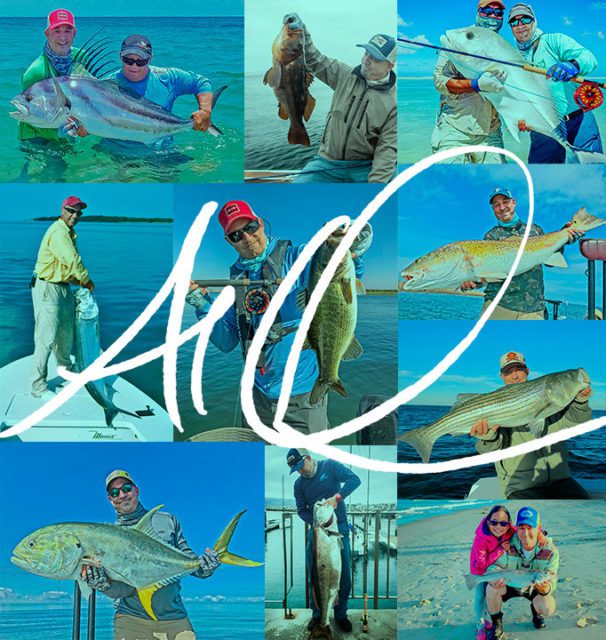
Al Quattrocchi (aka Al Q) has been a saltwater fly angler, fly tier, and fly fishing advocate for over thirty-five years. He has been an advocate for education and the environment by creating fly fishing events along the West Coast of California with the hope of introducing new anglers to this great passion he has for saltwater flyfishing. His personal mentors include Neal Taylor, Lefty Kreh, Nick Curcione, and Bob Popovics.

Al founded the popular One Surf Fly in So Cal which lasted nine seasons and raised thousands of dollars for non-profits, supporting local fly shops up and down the west coast.. Al and Conway Bowman teamed up to host the Carp Throw Down at Lake Henshaw in San Diego. This was the first fly-only, catch-and-release carp event in Southern California that supported many non-profit organizations with their annual raffle. Al and master FFF MCI instructor, Jim Solomon, teach fly casting techniques to many anglers around the world through a program entitled The FlyZone. One of Al’s most famous fly fishing students is Jimmy Kimmel.


Future Speakers. Dates and speakers may change, please go to URL to see the current information.
| Monthly Speaker | Date | Excerpt |
|---|
Posted on April 21st, 2022
Club needs a Monthly Newsletter Editor to replace Scott Kitayama who has volunteered to be Club President. Member should be interested in Club activities and web based communication. Scott will assist in training in the transition and it would be a great opportunity for any new member to be involved in all the club activities. Please contact me , or Scott at scottkitayama@gmail.com…650-279-5871
Membership is up to 180 dues paying members including 20 new members!
Posted on April 21st, 2022
IMPORTANT: This class will be taught at the Aptos Grange. Masks will be OPTIONAL for this session. NO ZOOM access.
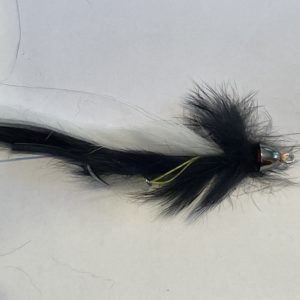
The Dali Lama is our go to fly on the Tsiu for silver salmon. It would work for steelhead or large trout. We will be tying 2 sizes one for salmon and a size 2 fo streamer fishing for trout. The salmon one uses a cut off hook in front with a stinger hook in back.
Contact John Steele to let him know that you will be attending: owlspad@icloud.com
Future tying classes. Dates and subject may change, please go to URL to see the current information.
| Monthly Speaker | Date | Excerpt | |
|---|---|---|---|
![]() | Jul 13 | Pat’s Tungston Bead Head Rubber Legs - JULY Fly tying | Dar Naghshineh, Instructor – Pat’s Tungston Bead Head Rubber Legs is primarily for trout, but also black bass. |
![]() | Aug 10 | Fluke Fly - Aug Fly tying | Greg Foy, Instructor – Fluke Fly is a jig to target Black Bass and Sunfish |
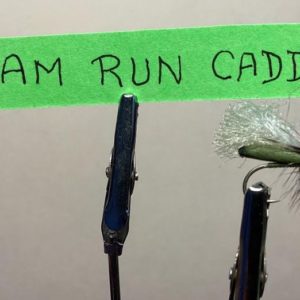
![]() | Sep 14 | Foam Run Caddis | A simple great drive fly pattern for this month. |
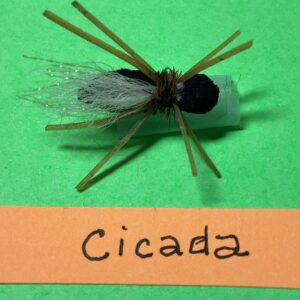
![]() | Oct 12 | Cicada | Fly for bass, trout and carp! |
Posted on April 21st, 2022
IMPORTANT: This class will be taught at the Aptos Grange. Masks will be REQUIRED for this session. NO ZOOM access.
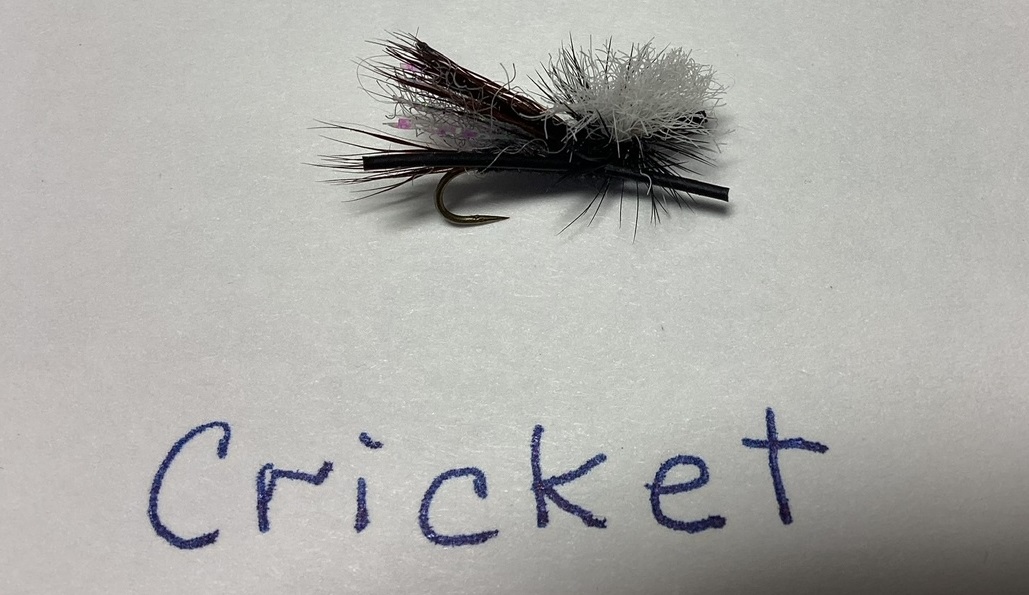
Terrestrials become available to trout beginning in the spring and on into the fall. Trout tend to gobbled them up. This is a good pattern to imitate them. We will be using 6/0 black thread. The club has tools, vices and thread to borrow if you need them. There is no charge for the class and materials are all provided.
You must call Elaine Cook at (831)688-1561 to reserve your spot and ensure that she has the materials for the class.
Future tying classes. Dates and subject may change, please go to URL to see the current information.
| Monthly Speaker | Date | Excerpt | |
|---|---|---|---|
![]() | Jun 08 | Dali Lama | John Steele, Instructore – The Dali Lama is our go to fly on the Tsiu for silver salmon. |
![]() | Jul 13 | Pat’s Tungston Bead Head Rubber Legs - JULY Fly tying | Dar Naghshineh, Instructor – Pat’s Tungston Bead Head Rubber Legs is primarily for trout, but also black bass. |
![]() | Aug 10 | Fluke Fly - Aug Fly tying | Greg Foy, Instructor – Fluke Fly is a jig to target Black Bass and Sunfish |
![]() | Sep 14 | Foam Run Caddis | A simple great drive fly pattern for this month. |
![]() | Oct 12 | Cicada | Fly for bass, trout and carp! |
Posted on April 21st, 2022
FOR SALE: BRAND NEW (never used) G. Loomis NRX+ 590-4 9 foot 5 weight fly rod, with soft and hard cases. Retail cost: $795.00. Priced at $600.00. Call Rich Hughett @ 831-757-5709
Posted on April 21st, 2022
On April 11th, the Bureau of Reclamation announced plans for the Klamath Project water allocation for 2022.
https://www.klamathfallsnews.org/news/reclamation-opens-klamath-project-irrigation-season-with-limited-water-allocation
The Klamath Tribes and Klamath Water Users have both responded. As you might expect, both groups are extremely disappointed with the BOR announcement. Being that SCFF is focused on fish and environmental conditions that support them, we look for ways to support conservation causes. However, issues that involve water have many stakeholders. When I came across the Klamath Tribes response, I saw a link to the Klamath Water Users press release. So I decided to include both.
Here is the Klamath Tribes Response:
https://www.klamathfallsnews.org/news/klamath-tribes-respond-to-bor-water-allocations
Bureau of Reclamation 2022 Operation Plan hastens extinction of endangered C’waam and Koptu
CHILOQUIN, Ore. – Yesterday’s announcement by the Bureau of Reclamation of its 2022 Operations Plan is perhaps the saddest chapter yet in a long history of treaty violations visited upon us by the United States.
Under the Plan, Reclamation intends to usurp “up to 62,000-acre-feet” of water from the nearly extinct and (Klamath Tribes) treaty-protected C’waam (Lost River sucker) and Koptu (shortnose sucker) at the height of their spawning season. Instead, despite the clear mandate of the Endangered Species Act to prioritize the needs of endangered species, Reclamation intends to send that water to irrigators in violation of Reclamation’s own water allocation formula.
Today, we see in the Klamath Basin the consequences of nearly 120 years of ecosystem degradation at the hands of the settler society. They have drained hundreds of thousands of acres of open water and wetlands, mowed down the largest pine forests in the west, mined the groundwater to the point that wells now go dry where marshes and lakes formerly prevailed, straightened whole river systems and striven to eradicate beavers that once engineered complex waterways, allowed their cattle to destroy riparian zones and defecate in icy cold springs, and dammed the mighty Klamath River five times.
The Klamath Tribes are tired of hearing: “it is another bad water year,” “we are all suffering,” and “come to the table so we can negotiate an end to this conflict.” This disaster is the entirely predictable and inevitable consequence of multi-generational mismanagement and poor judgment.
Neither the Klamath Tribes nor our downriver tribal brothers and sisters made any of the decisions that brought us here. And we have nothing left with which to “compromise.” Global warming is undoubtedly a global problem, but thus far its local consequences appear to be exacerbating existing and systematic inequalities between ourselves and the larger society.
It is time for all involved to realize that this homeland ecosystem we all share and profess to love has limits. This sacred place that has always been the home of the Klamath Tribes is exceedingly complex, evolved over thousands of years, and made from symbiotic life-forms.
The Klamath Tribes remain committed to cooperating with those genuinely interested in restoring the ecological health of our treaty-protected lands. We are equally committed to fighting those who don’t.
Here is the Klamath Water Users response:
https://www.klamathfallsnews.org/news/failed-federal-water-policy-will-shut-down-klamath-basin-food-production-for-second-consecutive-year
KWUA Responds to Reclamation’s water announcement
KLAMATH FALLS, Ore. – The federal government announced today that it will deprive highly fertile farms and ranches in the Klamath Basin of irrigation water necessary to produce food this year. The decision comes at a time of global food security fears, rapidly rising food prices, and concerns that grocery store shelves may become empty this year.
Klamath Water Users Association (KWUA), which represents irrigation water users who produce food based on once-reliable irrigation water supplies from Upper Klamath Lake, Oregon’s largest surface water body, decried today’s announcement.
“We have 170,000 acres that could be irrigated this year and we’re ready to get to work,” said KWUA President Ben DuVal, who farms with his wife and daughters on land served by the Project. “On a single acre, we can produce over 50,000 pounds of potatoes, or six thousand pounds of wheat. This year, most of that land will not produce any food because the government is denying water for irrigation. We’ll just be trying to keep the weeds and dust under control.”
KWUA leaders said that there is adequate water available this year to provide irrigation from Upper Klamath Lake to the Klamath Project, a system of infrastructure that was built to deliver water to a community of family farms straddling the California-Oregon border. The Project provides water to some of the richest soils in the world. But federal regulators intend to deny irrigation water needed to produce food, at a time when the country and world most need it.
Rigid operating guidelines mandated by federal regulatory agencies mean that the Project’s family farms and ranches will have an uncertain amount of water, probably less than 15 percent of what they need, although producers will not finally know how much water they will have until it is far too late to plan their operations.
This federal policy comes on the heels of the federal government’s 2021 approach, when the government afforded zero water through Project facilities for irrigation for the first time in the 118-year history of the Project. The announced 2022 supply is the second-worst ever.
In today’s announcement of a 2022 Klamath Project Operations Plan, the U.S. Bureau of Reclamation directed that water that could be used for irrigation or wildlife benefits will instead be used to artificially augment flows 40 miles downstream in the Klamath River, and to maintain specified elevations of water in Upper Klamath Lake.
In each case, the water will be dedicated to fish species based on regulatory commands of the National Marine Fisheries Service (NMFS) and U.S. Fish and Wildlife Service (USFWS). NMFS has authority related to coho salmon, considered a threatened species under the Endangered Species Act (ESA), and USFWS has authority related to Lost River suckers and shortnose suckers, both of which are listed as endangered under the ESA.
The federal agencies’ experiment of increasing water allocation to these ESA-listed species has been tried for 25 years in the Klamath Basin, yet there is no evidence this policy has benefitted the target fish populations.
“If we farmers failed as badly as the federal agency biologists who are controlling water policy, our bankers would have foreclosed on us 20 years ago,” said Mr. DuVal. “The regulators’ performance is unacceptable and should be embarrassing to federal decision-makers.”
KWUA Executive Director Paul Simmons said that NMFS’s requirements are egregious and out of balance. “Between now and the end of irrigation season, there will be about 210,000 acre-feet of inflow to Upper Klamath Lake,” he said. “But NMFS is telling Reclamation to release over 400,000 acre-feet of water down the Klamath River.”
To furnish that much water requires artificial supplementation of natural flow by releasing water that was stored behind a dam at the outlet of Upper Klamath Lake during the non-irrigation season.
KWUA leaders insist that NMFS’s regulatory demands are neither fair nor effective.
“It’s the world’s worst-kept secret that NMFS is using Klamath Project water to try to mitigate problems not caused by the Klamath Project,” said Mr. Simmons. “And when that doesn’t work, they just do it again, and then again.”
Although food producers in the Klamath Project are hamstrung, by regulatory demands, they share the concern that Pacific salmon stocks are struggling. “That’s bad for fishing communities and it’s bad for all of us,” said Mr. DuVal. A combination of many factors has affected fish populations, including a history of overfishing, sea lion predation, and ocean conditions. “I understand that it’s hard to regulate ocean conditions,” said Mr. DuVal. “But harming my family and destroying my community doesn’t fix ocean conditions and it doesn’t save fish.”
Project water shortage will also be exacerbated by USFWS’s stringent requirements for Reclamation to withhold water from the Project to maintain specified depths of water in Upper Klamath Lake. There is no evidence that regulation of irrigation supplies has yielded any benefit to sucker populations in Upper Klamath Lake.
Federal water policies’ negative impacts on food production comes at a time of global food security concerns, soaring prices at the grocery store, and fears of empty shelves. Klamath Basin farmers and ranchers are bracing for dust storms and resulting poor air quality and other local environmental impacts that predictably arise when once-reliable surface water supplies are directed elsewhere by federal agencies.
In addition, in 2022, for the first time ever, two federal national wildlife refuges will go dry because water will be redirected to a few ESA-listed species. Lower Klamath National Wildlife Refuge and Tule Lake National Wildlife Refuge both depend on water diverted and delivered by irrigation districts. Those critically important features of the Pacific Flyway for waterfowl are disabled.
“Under the current application of the ESA in the Klamath there are no winners,” former KWUA President Tricia Hill said in testimony before a congressional committee last month. “Only losers. And I cannot convey how heartbreaking it is to watch our basin—from its people to its environment to its wildlife—crumble around me.”
Reclamation also announced today that there will be $20 million available to help mitigate economic damage to farms that do not use irrigation water this year. While KWUA expressed its gratitude to its congressional delegation and the Commissioner of Reclamation for that funding, local irrigators lament that dollars cannot replace the loss of food production, jobs, and community stability directly caused by unbalanced federal water management policies.
Klamath Irrigation District President and KWUA board member Ty Kliewer said that his family and his neighbors cannot live through a repeat of last year. “Government mismanagement is causing this situation, period. Many of my fellow producers liquidated entirely last year, and I don’t know who will make it through this year. If the government doesn’t restore balance to water policy immediately, it will have wiped out this community of food producers, for nothing.”
Posted on April 16th, 2022

Growing up on the Lower Yuba River as an only child who had a bug collection and really liked catching fish with imitations of those bugs didn’t make Hogan the coolest kid growing up. Good thing he got over it and persevered. Deciding to start rowing a drift boat and guiding the lower Yuba instead of living in the woods bitter and resentful. Living in Chico, CA now Hogan guides for anything that swims, from trout to striped bass and carp to steelhead, he is at home in a drift boat or poling a mud flat for carp. Guiding the Lower Yuba River, Feather River, and Lower Sacramento River for stripers, trout, steelhead, shad, carp, and bass has made him one of the most versatile and experienced guides in Northern California. His trout, bass, carp, and striper flies have become staples in his home state of Northern California and throughout the West, and his patterns are currently sold through Rio Products and numerous fly shops. Hogan is a Scott Fly Rods, Lamson – Waterworks Reels, Stealth Craft Boats, Air Flo Fly Lines, and Echo Rods Pro along with being a Simms, and Costa Del Mar Sunglasses Ambassador. Hogan is also co-founder of the California Bass Union dedicated to Developing, Sharing, and Growing Fly Fishing for bass in his home state of California as well as the host for the Barbless fishing podcast. Hogan is also a connoisseur of fine ales and fermented grains, a home gardener, die-hard San Francisco Giants baseball and Notre Dame Football fan, along with being a husband and father to two young boys.

Future Speakers. Dates and speakers may change, please go to URL to see the current information.
| Monthly Speaker | Date | Excerpt |
|---|
Posted on April 14th, 2022
mobile scrollable table
| EVENT NAME | EVENT DATE | SPECIES | FISH MASTER |
|---|---|---|---|
| Manresa Surf Fishout | Jul 11 | ||
| Palm Beach Surf Fishout With The Delta Fly Fishers | Aug 01 | ||
| Yuba River – 21 Aug 26 | Aug 21 - Aug 23 | ||
| Alaska Kenai Peninsula Fly Fishing | Sep 08 - Sep 15 | ||
| Mammoth Fishout -Sept. 19-Oct. 3rd 2026 | Sep 19 - Oct 03 | Trout | John Cook fishmaster-- (831)688-1561 or (831)234-6515 |
| Lower Sacramento River Group Float – Hosted by the Delta Fly Fishers | Oct 10 | ||
| O’Neill Forebay ‘Stosh’ Memorial Fishout October 15-18th | Oct 15 - Oct 18 | ||
| Trinity River Fishout | Nov 13 - Nov 15 |
Location: Manresa State Beach
Directions: Take San Andreas Road from the freeway all the way to the coast, passing under the railroad bridge and continuing beyond the State Park until you get to Oceanview Drive. Turn there, bear to the right and park in the parking lot
Fish Master: Sam Bishop / 831-274-4024 / sambishop@totlcom.com
At 0545 am, Saturday, July 11 our club surf fishout will be at Manresa Beach. This is a beach that can challenge you and pleasantly surprise you. Stripers catches are not unusual on this beach.
Sunrise is at about 6 am, so you should be there ready to fish by 15 minutes before that.
Around 8 – 8:30 am I will be back up in the parking lot and serving some hot snacks, quesadillas probably. No coffee though, so bring your own beverage if desired.
There is a minus 3.4’ tide at 3 am and high is 3.4 at 10 am, so we will be fishing an incoming tide. Some people believe that is the best type of tide, but I cannot verify it. Seems to me when the fish are hungry they bite. Very little moon that night too, which should be good.
Newcomers to fly fishing the surf are welcome, but please go to our club website, drop down menu “KNOWLEDGE” and read the “Surf Fishing Info” section. And if you are really new to fly fishing and do not know how to cast, this is not the place to learn.
Any additional questions, call or email me at 831-274-4024 sambishop@totlcom.com. I will have a couple spare stripping baskets to loan and flies to give away.
Additional Details to Follow
Cost: Maybe some lost flies…and the fish of a life time
Special Considerations / Links: Tides, Wind, Swell, tidesandcurrents.noaa.gov/
Lodging / Food: See above
Fishmaster: Scott Kitayama / scottkitayama@gmail.com
Location: Palm Beach
Target Species: Surf Perch and Stripers
Gear: 6-8wt. Rods with full sinking lines or shooting heads to match the rod. Polarized glasses (safety),
Mandatory Accessories: Wader Belt & Stripping Basket
(If a basket is needed, some maybe available to borrow or purchase. Please contact the Fishmaster ahead of time. Also there are many DIY Stripping Basket making tutorials online)
Single, double & triple fly rigs
Clousers to sand crabs
Directions: Take W. Beach St. in Watsonville towards Pajaro Dunes. Park at the end of W. Beach St. on the right side of the road outside of the entrance to Pajaro Dunes.
Note: The Delta Fly Fishers will be joining us on this Fishout. Join us and meet some new people and trade some notes.
Day High Tide Height Sunrise Moon Time % Moon
/Low Time Feet Sunset Visible
Sa 1 Low 6:52 AM 0.0 6:14 AM Set 9:14 AM 95
1 High 1:35 PM 4.3 8:15 PM Rise 9:56 PM
1 Low 6:49 PM 2.3


The information provided below has been modified from the Grizzly Peak Fly Fishing Club and Tri-Valley Fly Fishing Club (2022-23)
Special Notes
The outing is limited to 20 people. With a $50.00 buy in payable to the club. Jump to reservation form
Due to the limited capacity, reserving your spot is first come first serve starting July 1st at 9am thru the club website. Payment due at time of reservation. No refunds.
Camping will be available on the property beginning at 4 PM Friday and extending to Sunday evening. Fishing hours are dawn to dusk. Gate code will be sent out as we get closer to the Fishout date. Each angler will be responsible to close the gate behind them. The gate code will be emailed to us the week before the trip. Additional details to follow as we get closer to the date
The Lower Yuba is accessible from the sea – you must have a 2026 California Steelhead Reporting Card in addition to your fishing license. Unlike the license, the report card must be delivered in hard copy, either by snail mail or by hand from a fishing store. Plan ahead!
Location
University of California Sierra Foothill Research and Extension Center, 8279 Scott Forbes Road, Browns Valley, CA 95918. Meet at the gate to the river road (N39.24672°, W121.32222°), which is on your right about 1/3 mile before you reach the research center. Note that, misleadingly, there is a sign at the gate that says “No Fishing Access”. The gate will be opened and then locked behind us. 2.5 hrs from Berkeley. Take I-80 east to Sacramento, turn onto I-5 north, then onto Hwy 70 to Marysville. Pass through downtown Marysville on 70, and as you round the lake, turn right onto Hwy 20 east. Continue 15 miles, pass the Sycamore Ranch Campground. At the sign to the UC Station, turn left onto Peoria Rd, and then at another sign, bear right onto Scott Forbes Rd (also called Long Bar Rd). The gate is just past Sicard Flat Ditch. SCFFC strongly encourages carpooling.
General Notes
Our Club event on the Yuba will be on the private property owned by the University of California and is one of their Sierra Research facilities. We have contracted for TVFF’s exclusive use of the facility for the two days over the weekend. The river is about 1.5 miles above the highway 20 bridge over the Yuba and accessible only through a locked gate for a maximum of twenty (20) anglers per day. There is approximately 2.5 miles of available river that is the tailwater section a mile or so below Englebright Dam. The river has easy and level access, so it’s ideal for those less comfortable in heavy current wading situations, although that is also available for those Euro Nymphing.
The UC facility is on many acres in a pastoral valley leading down to the river. Most of the research here is for cattle, grazing land management, and erosion control so it is very quiet with no nearby roads, ranches, or houses. There is a covered picnic area that sits above the river with 8-10 picnic tables and a porta potty restroom with hand wash station that is also available on site. No water on site, limited cell phone reception, no fires. All in all, it’s a very scenic and serene site.
Gear and Tackle Recommendations:
Yuba River fish are notoriously “hot” and frisky. They workout full time in the strong current and just love to play in it when disturbed by a sharp hook. Anticipate that you will see strong runs on hook ups and that the fish will feel like they are 4-6″ larger than you see in the net. So…
Rod & line weights/types: 5 or 6 weight rods, reels and floating lines are the norm to help control their runs. A 4 weight for Euro Nymphing should work well as long as it has a good stiff butt section to manage any runs.
Leaders and tippet: Fishing style dependent but normally I fish a 9’ 4X leader and adjust with added tippet of up to 4-6’ of 5 for the dry flies, and stick with 4X fluoro for the nymphs.
Other gear:
Note that we will not be using any watercraft as this is a walk and wade event with float takeouts way too far downstream to be of use for us.
Flies: Flies to match and we will send out a more current list as we get closer to the dates and better understand how the weather and water are impacting the hatches. Typically, you will need Skwala dries and nymphs, Pale Morning Duns, Baetis/Blue Wing Olives, Pink Alberts, Little Yellow Sallies, Pale Evening Duns, Golden Stones, and four varieties of Caddis.
Location / Date
University of California Sierra Foothill Research and Extension Center, 8279 Scott Forbes Road, Browns Valley, CA 95918.
August 21st – 23rd 2026
Fishmaster
TBD – Please contact Justin Ice if interested in hosting this event justin@schwagerdavis.com


September 8–15, 2026
(Additional week: September 1–8, 2026, if enough anglers)
Each week will be made up of 8 anglers, with Rick and Jesse serving as hosts. This document provides an outline of the fall Alaska fly fishing trip. All projected dates and plans are subject to change based on weather conditions.
Arrive in Anchorage. Groups will pick up Turo rental vehicles and drive to a rental cabin near Sterling (between Soldotna and Cooper Landing). Groceries and supplies will be purchased in town.
Drift boat fishing on the Upper Kenai River with Rick and Jesse (weather permitting, possibly through the canyon). The third group will wade fish the Russian River.
Drift boat float from Skilak Lake outlet to Bing’s Landing on the Middle Kenai for Rainbow Trout and Dolly Varden, with potential Coho opportunities. The wade-fishing group will travel south to the Anchor River for Steelhead.
Rick and Jesse’s groups will either fish the Upper Kenai again for Rainbow Trout or float the Kasilof River from Tustumena Lake to the bridge for Steelhead and Silver Salmon.
Groups consolidate into two groups of five anglers. Fishing will take place on the Anchor River and Deep Creek for Steelhead. If weather conditions prevent fishing, the group will fish the Russian River.
Both groups fish the Upper Kenai and Russian River together. Optional hike to the Upper Russian River to view salmon jumping the falls.
Optional saltwater fishing charter for one group while the other group fishes for Steelhead or Trout.
Drive back to Anchorage, return Turo rentals in daily parking, and depart Alaska.
The group will dine out in town for three dinners. The remaining four dinners will be prepared at the cabin, with two anglers paired each night to cook. Breakfast and lunch planning will be finalized once all anglers are confirmed.
If an angler decides not to attend, they are responsible for selling their spot to another angler or forfeiting their portion of the rental costs (deposits & payments are non refundable).
Jesse Collins
C: 831-227-9987 <jesse@jcollinsproperties.com>
Rick Chace
C: 831-234-9200 <rchace@got.net>
Jesse & Rick will be hosting a table at the January SCFF meeting. At that time will take $700.00 deposits on the trip.


General: We will be staying in condominiums in the town of Mammoth Lakes (Max limit 8 per week). The condo complex has a lovely hot tub, so bring your suit. Two people per bedroom. Most people bring a sleeping bag to share queen size bed or a pad and sleeping bag to sleep on floor. A private room option is possible at an increased fee.
Cost: Shared single: $500/wk, $1000/2 wks.
Sign Ups: We will begin taking Mammoth reservations and money starting at 6:30 pm on Wednesday, March 4th (at the March Meeting). Please note that you are NOT on the list until I have your check, YOUR CHECK SAVES YOUR SPOT!
Check Payable to: Scott Kitayama. Mail: 36 Pima St, Watsonville, CA 95076
Group is limited to 8 in the condo per week. COST: $500/person . Please note that you are NOT on the list until I have your check, YOUR CHECK SAVES YOUR SPOT!
Payment of $500 is required to secure your spot. we need people to sign up as soon as possible. Should you need to cancel, you can find someone to take your place and get your money back.
Fishmasters:Scott Kitayama: scottkitayama@gmail.com , mobile: 650 279 5871 and Randy Saar: randy_saar@yahoo.com, mobile: 650 269 6138
Dates: This Fishout will take place over two consecutive one-week periods. You may sign up for one or both weeks. Week 1: Sept 19- Sept 26. Week 2: Sept 26 – Oct 3.
Location: The town of Mammoth Lakes is located on the eastern side of the Sierra, 6 or 7 hours drive from Santa Cruz. There are many lakes and streams in the area to fish.

Food Preparation: Breakfast and lunch items will be purchased by the Fishmaster ahead of time. Each person will be assigned a Kitchen Day. On that day, tasks will include setting out breakfast and lunch items, store unused food, and preparing the evening meal and clean up afterwards. Each person will be responsible for a dinner that you will need to purchase and prepare. You will then be reimbursed for the cost for the dinner.


Greetings,
The Delta Fly Fishers have offered the Santa Cruz Fly Fishing Club the opportunity to join them on their annual guided float trip on the Lower Sacramento River.
See the information below from the Fishmaster Robert Fujimura.
Lower Sacramento River Group Float Outing with Santa Cruz Fly Fishing Club– Saturday October 10, 2026
Delta Fly Fishers are happy again to invite your club to join this annual Delta Fly Fishers outing with host Scott Sugimoto of On the Riffle Guide Service and his guides and support staff for another awesome day on this famous tailwater fishery for resident rainbow trout. Scott and his team have successfully hosted our club annually for several years during the prime fly fishing season. The Lower Sacramento River fishing has been a reliable and renowned trophy trout fishery of the West. Suitable for novice fly fishers but still fun and challenging for the more experienced ones.
Participants will have a full day of guided indicator nymph fishing from a drift boat with an experienced guide per two anglers. Fishing gear, flies, shuttle service, and all you can eat group BBQ lunch are provided. The guide fee of $300 per person (double occupancy per boat) does not include tip.
Please contact Bob Fujimura to register and pay your guide fee before August 30 or earlier (email [deltaflyfishers@gmail.com] . Early registration will help ensure that we reserve our guides in advance – so don’t delay in registering if you are interested in this annual crowd pleaser. Registration requires prepayment of guide fees and submission of a DFF liability waiver form. All guide fees are non-refundable in the case of you cancel your trip – however, you can sell your spot to another club member.
Our annual outing is a fun event for our club members with a long history of repeated participation by its attendees. Registered participants will be provided with additional detailed information (via email) on pre-event fishing conditions, recommended fishing equipment or gear for optional use during or outside of the guided day, local group dining or lodging options, and other trip activities. On request, non-DFF club registrants can be provided with a Zoom orientation session prior to the event. Scott also welcomes inquiries about the guided itinerary and technical questions about this event (email: scott@ontheriffle.com or phone: (530) 276-1612).


Event: O’Neill Forebay ‘Stosh’ Memorial Fishout
Date: October 15th – 18th
Target Gamefish: Striped Bass
Location: Medeiros Campground located on the Southern Shoreline of the O’Neill Forebay, access off of Santa Nella Blvd. (Highway 33)
Hosts: Kevin Murdock troutdock89@gmail.com
These are primitive campsites so bring your own water. There are tables, sun pavilions, and chemical toilets, or outhouses and fire rings. No open fires are allowed outside of the rings.
Typically we will be camping as close to site 29 as we can get. This is a first come, first serve campground, so no reservations are accepted. Float tubes can be launched near the campsites, but boats must be first inspected, then launched from the San Luis Creek Boat launch. Boats may not be left on the lake overnight. Boaters would be wise to exit prior to the closing of the entry kiosk. The ranger can place a seal on your trailer, allowing you to bypass the inspection process the next morning.
The rangers at the kiosk by the Medeiros entrance may insist that your float tubes need inspection. make sure they’re clean & dry.
Equipment: 8wt rods with fast sinking lines. Some anglers will occasionally use a floating line with a ‘gurgler’ type fly
Flies: Lee Haskins San Luis smelt, ‘Deceiver’ type patterns in red, white, chartreuse, the aforementioned gurglers and poppers.
Float tubes (may require inspection for quagga and golden mussels)
Fins, sunscreen, polarized glasses, life vest
Links:
https://mengsyn.com/ A fly-fishing addict who fishes San Luis Reservoir and the Forebay.
http://www.danblanton.com/ Long time local fishing guide.
https://cdec.water.ca.gov/dynamicapp/QueryDaily?s=Onf
There will be a signup sheet at our September meeting. We’ll also create a list for those hoping to participate in a pot luck in honor of Steve ‘Stosh’ Rudzinski.
Weather conditions can vary dramatically, so it would behoove members to check prior to departure. You could email me or just get conditions on-line. High winds can cause the lake to be closed to all vessels.
This is one of our nearest Fishouts, with the possible payoff of a double digit fish! Don’t miss out!

NOTE: Contact Alex Ferber if you are interested in going on the trip. After knowing how many people are interested, it will be easier to plan logistics (camping? motel?). You can text Alex at (831) 419-0564 or alex.ferber74@gmail.com. If you want to go on this trip, it is highly recommended to attend the Spey Classes.
Posted on April 14th, 2022

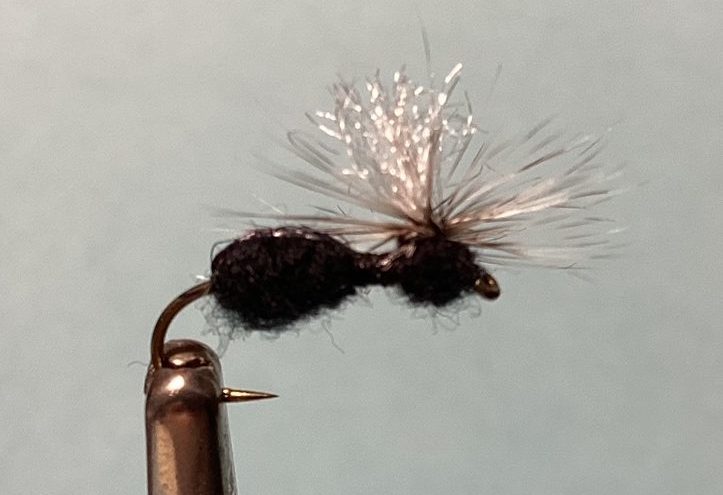
There are many and patterns, most of which are hard to see on the surface of the water. Here is one with a nice white post. Ants are most effective mid summer on and are more available to fish on windy days. Add floatant and fish with drag free presentation. They are good on lakes as well.
HOOK: TMC 100 Sizes 12 to 16.
THREAD: Black 8/0. Attach mid shank
OVER BODY: White Antron yarn
Attach Antron to back half of shank and extending to the rear of hook. Note: Antron pieces need to be long enough to go over rear back body and then up as post.
REAR BODY: Black super fine dubbing and black permanent marking pen.
Dub a bulbous rear body up to mid shank, no further. Pull Antron snuggly over rear body and tie down. And attach Antron to top of shank with touching wraps forming a narrow mid body, about 1/4 of shank. Note: if tying a size 12 hook, additional touching thread wraps back to rear body then forward again.
POST: Continuation of white Antron
Hold Antron upright. Make 4 to 5 thread wraps upward around Antron. Then make 4 to 5 wraps down to base.Make a couple of wraps in front of post to hold upright.
HACKLE: grizzly barbs equal to 1 1/2 to 2 times hook gap
Prepare hackle by cutting off fuzzy end then cutting 4 to 5 barbs short at base of stem (crew cut).
Identify shiny dark side of hackle. Position on your side of hook, shiny side facing you, tip to rear, and crew cut at base of post. Tie in place in front and behind post.
FORWARD BODY: Black super find dubbing. And some ants have a red forward body, so thread can be changed to red and red superfine dubbing used for this section.
Wrap a small bulbous forward body from eye back to midsection.
HACKLE: same feather from above
Wrap thread behind post, then forward, then in front of post, then allow to hang on your side. Using hackle pliers, wrap hackle around base of post about four times , then allow to hang on your side. Bring thread up in front of hanging hackle till parallel to table. Wrap around post and under parachuted hackle about three times. Several half hitches behind hook eye. Cut thread. Cut excess hackle. Cut Antron so that it equals hook shank length. Push up on heckle from beneath hook to be sure it is parallel to table. Trim any barbs that hang below.
Posted on March 30th, 2022

Ha ha
Posted on March 30th, 2022

CDC stands for cul-de-canard which is the butt feather of a duck. It has some interesting properties that will help the fly float without gel floatant. In fact gel floatant actually mashes down the barbs making the fly not float. Instead dress with a dry powdered floatsnt like Frog Fanny. When it becomes waterlogged, squeeze dry on clothing or a chamois. Then brush more Frog Fanny into the fibers. Don’t be concerned with the white fluffy appearance for it doesn’t seem to deter the fish at all.
HOOK: TMC 200 size 24-20. crimp Barb. Note: length of CDC feather will determine size of hook. See shuck below.
THREAD: 8/0 Color to match CDC NOTE: mayflies come in many colors. Some of the more common are gray, olive, tan, brown and cream. Attach thread behind eye. Wrap to above hook point with touching wraps.
SHUCK; CDC feather. Measure length of feather along stem were barbs protrude. Select a feather that is at least as long as the following as in the following chart. Longer is even better.
One and 3/4” for 14 hooks.
One and 1/2” for 16 hooks
One and 1/4” for 18 hooks
One inch for 20 hooks.
Stroke barbs toward tip of feather. Tie in on top of shank, tips hook length beyond thread, with three wraps. Carefully pull feather forward until shuck equals shank length. Lift butt and, wrapped thread to eye.
BODY: continuing with the same feather as above. Spiral wrap feather forward covering shank. Tie off with 2 wraps between barbs.
WING: using same feather as above, hold stem upright, stroke barbs backward. Make a loop with stem that extends to shuck. Tie off securely add eye. Cut excess. NOTE; loop will probably lean. Wrap thread head. Whip finish, cut thread. Do not use head cement or any glue. Stroke barbs backward. Cut them short at end of shuck.
Posted on March 29th, 2022
mobile scrollable table
| EVENT NAME | EVENT DATE | SPECIES | FISH MASTER |
|---|---|---|---|
| Manresa Surf Fishout | Jul 11 | ||
| Palm Beach Surf Fishout With The Delta Fly Fishers | Aug 01 | ||
| Yuba River – 21 Aug 26 | Aug 21 - Aug 23 | ||
| Alaska Kenai Peninsula Fly Fishing | Sep 08 - Sep 15 | ||
| Mammoth Fishout -Sept. 19-Oct. 3rd 2026 | Sep 19 - Oct 03 | Trout | John Cook fishmaster-- (831)688-1561 or (831)234-6515 |
| Lower Sacramento River Group Float – Hosted by the Delta Fly Fishers | Oct 10 | ||
| O’Neill Forebay ‘Stosh’ Memorial Fishout October 15-18th | Oct 15 - Oct 18 | ||
| Trinity River Fishout | Nov 13 - Nov 15 |
Location: Manresa State Beach
Directions: Take San Andreas Road from the freeway all the way to the coast, passing under the railroad bridge and continuing beyond the State Park until you get to Oceanview Drive. Turn there, bear to the right and park in the parking lot
Fish Master: Sam Bishop / 831-274-4024 / sambishop@totlcom.com
At 0545 am, Saturday, July 11 our club surf fishout will be at Manresa Beach. This is a beach that can challenge you and pleasantly surprise you. Stripers catches are not unusual on this beach.
Sunrise is at about 6 am, so you should be there ready to fish by 15 minutes before that.
Around 8 – 8:30 am I will be back up in the parking lot and serving some hot snacks, quesadillas probably. No coffee though, so bring your own beverage if desired.
There is a minus 3.4’ tide at 3 am and high is 3.4 at 10 am, so we will be fishing an incoming tide. Some people believe that is the best type of tide, but I cannot verify it. Seems to me when the fish are hungry they bite. Very little moon that night too, which should be good.
Newcomers to fly fishing the surf are welcome, but please go to our club website, drop down menu “KNOWLEDGE” and read the “Surf Fishing Info” section. And if you are really new to fly fishing and do not know how to cast, this is not the place to learn.
Any additional questions, call or email me at 831-274-4024 sambishop@totlcom.com. I will have a couple spare stripping baskets to loan and flies to give away.
Additional Details to Follow
Cost: Maybe some lost flies…and the fish of a life time
Special Considerations / Links: Tides, Wind, Swell, tidesandcurrents.noaa.gov/
Lodging / Food: See above
Fishmaster: Scott Kitayama / scottkitayama@gmail.com
Location: Palm Beach
Target Species: Surf Perch and Stripers
Gear: 6-8wt. Rods with full sinking lines or shooting heads to match the rod. Polarized glasses (safety),
Mandatory Accessories: Wader Belt & Stripping Basket
(If a basket is needed, some maybe available to borrow or purchase. Please contact the Fishmaster ahead of time. Also there are many DIY Stripping Basket making tutorials online)
Single, double & triple fly rigs
Clousers to sand crabs
Directions: Take W. Beach St. in Watsonville towards Pajaro Dunes. Park at the end of W. Beach St. on the right side of the road outside of the entrance to Pajaro Dunes.
Note: The Delta Fly Fishers will be joining us on this Fishout. Join us and meet some new people and trade some notes.
Day High Tide Height Sunrise Moon Time % Moon
/Low Time Feet Sunset Visible
Sa 1 Low 6:52 AM 0.0 6:14 AM Set 9:14 AM 95
1 High 1:35 PM 4.3 8:15 PM Rise 9:56 PM
1 Low 6:49 PM 2.3


The information provided below has been modified from the Grizzly Peak Fly Fishing Club and Tri-Valley Fly Fishing Club (2022-23)
Special Notes
The outing is limited to 20 people. With a $50.00 buy in payable to the club. Jump to reservation form
Due to the limited capacity, reserving your spot is first come first serve starting July 1st at 9am thru the club website. Payment due at time of reservation. No refunds.
Camping will be available on the property beginning at 4 PM Friday and extending to Sunday evening. Fishing hours are dawn to dusk. Gate code will be sent out as we get closer to the Fishout date. Each angler will be responsible to close the gate behind them. The gate code will be emailed to us the week before the trip. Additional details to follow as we get closer to the date
The Lower Yuba is accessible from the sea – you must have a 2026 California Steelhead Reporting Card in addition to your fishing license. Unlike the license, the report card must be delivered in hard copy, either by snail mail or by hand from a fishing store. Plan ahead!
Location
University of California Sierra Foothill Research and Extension Center, 8279 Scott Forbes Road, Browns Valley, CA 95918. Meet at the gate to the river road (N39.24672°, W121.32222°), which is on your right about 1/3 mile before you reach the research center. Note that, misleadingly, there is a sign at the gate that says “No Fishing Access”. The gate will be opened and then locked behind us. 2.5 hrs from Berkeley. Take I-80 east to Sacramento, turn onto I-5 north, then onto Hwy 70 to Marysville. Pass through downtown Marysville on 70, and as you round the lake, turn right onto Hwy 20 east. Continue 15 miles, pass the Sycamore Ranch Campground. At the sign to the UC Station, turn left onto Peoria Rd, and then at another sign, bear right onto Scott Forbes Rd (also called Long Bar Rd). The gate is just past Sicard Flat Ditch. SCFFC strongly encourages carpooling.
General Notes
Our Club event on the Yuba will be on the private property owned by the University of California and is one of their Sierra Research facilities. We have contracted for TVFF’s exclusive use of the facility for the two days over the weekend. The river is about 1.5 miles above the highway 20 bridge over the Yuba and accessible only through a locked gate for a maximum of twenty (20) anglers per day. There is approximately 2.5 miles of available river that is the tailwater section a mile or so below Englebright Dam. The river has easy and level access, so it’s ideal for those less comfortable in heavy current wading situations, although that is also available for those Euro Nymphing.
The UC facility is on many acres in a pastoral valley leading down to the river. Most of the research here is for cattle, grazing land management, and erosion control so it is very quiet with no nearby roads, ranches, or houses. There is a covered picnic area that sits above the river with 8-10 picnic tables and a porta potty restroom with hand wash station that is also available on site. No water on site, limited cell phone reception, no fires. All in all, it’s a very scenic and serene site.
Gear and Tackle Recommendations:
Yuba River fish are notoriously “hot” and frisky. They workout full time in the strong current and just love to play in it when disturbed by a sharp hook. Anticipate that you will see strong runs on hook ups and that the fish will feel like they are 4-6″ larger than you see in the net. So…
Rod & line weights/types: 5 or 6 weight rods, reels and floating lines are the norm to help control their runs. A 4 weight for Euro Nymphing should work well as long as it has a good stiff butt section to manage any runs.
Leaders and tippet: Fishing style dependent but normally I fish a 9’ 4X leader and adjust with added tippet of up to 4-6’ of 5 for the dry flies, and stick with 4X fluoro for the nymphs.
Other gear:
Note that we will not be using any watercraft as this is a walk and wade event with float takeouts way too far downstream to be of use for us.
Flies: Flies to match and we will send out a more current list as we get closer to the dates and better understand how the weather and water are impacting the hatches. Typically, you will need Skwala dries and nymphs, Pale Morning Duns, Baetis/Blue Wing Olives, Pink Alberts, Little Yellow Sallies, Pale Evening Duns, Golden Stones, and four varieties of Caddis.
Location / Date
University of California Sierra Foothill Research and Extension Center, 8279 Scott Forbes Road, Browns Valley, CA 95918.
August 21st – 23rd 2026
Fishmaster
TBD – Please contact Justin Ice if interested in hosting this event justin@schwagerdavis.com


September 8–15, 2026
(Additional week: September 1–8, 2026, if enough anglers)
Each week will be made up of 8 anglers, with Rick and Jesse serving as hosts. This document provides an outline of the fall Alaska fly fishing trip. All projected dates and plans are subject to change based on weather conditions.
Arrive in Anchorage. Groups will pick up Turo rental vehicles and drive to a rental cabin near Sterling (between Soldotna and Cooper Landing). Groceries and supplies will be purchased in town.
Drift boat fishing on the Upper Kenai River with Rick and Jesse (weather permitting, possibly through the canyon). The third group will wade fish the Russian River.
Drift boat float from Skilak Lake outlet to Bing’s Landing on the Middle Kenai for Rainbow Trout and Dolly Varden, with potential Coho opportunities. The wade-fishing group will travel south to the Anchor River for Steelhead.
Rick and Jesse’s groups will either fish the Upper Kenai again for Rainbow Trout or float the Kasilof River from Tustumena Lake to the bridge for Steelhead and Silver Salmon.
Groups consolidate into two groups of five anglers. Fishing will take place on the Anchor River and Deep Creek for Steelhead. If weather conditions prevent fishing, the group will fish the Russian River.
Both groups fish the Upper Kenai and Russian River together. Optional hike to the Upper Russian River to view salmon jumping the falls.
Optional saltwater fishing charter for one group while the other group fishes for Steelhead or Trout.
Drive back to Anchorage, return Turo rentals in daily parking, and depart Alaska.
The group will dine out in town for three dinners. The remaining four dinners will be prepared at the cabin, with two anglers paired each night to cook. Breakfast and lunch planning will be finalized once all anglers are confirmed.
If an angler decides not to attend, they are responsible for selling their spot to another angler or forfeiting their portion of the rental costs (deposits & payments are non refundable).
Jesse Collins
C: 831-227-9987 <jesse@jcollinsproperties.com>
Rick Chace
C: 831-234-9200 <rchace@got.net>
Jesse & Rick will be hosting a table at the January SCFF meeting. At that time will take $700.00 deposits on the trip.


General: We will be staying in condominiums in the town of Mammoth Lakes (Max limit 8 per week). The condo complex has a lovely hot tub, so bring your suit. Two people per bedroom. Most people bring a sleeping bag to share queen size bed or a pad and sleeping bag to sleep on floor. A private room option is possible at an increased fee.
Cost: Shared single: $500/wk, $1000/2 wks.
Sign Ups: We will begin taking Mammoth reservations and money starting at 6:30 pm on Wednesday, March 4th (at the March Meeting). Please note that you are NOT on the list until I have your check, YOUR CHECK SAVES YOUR SPOT!
Check Payable to: Scott Kitayama. Mail: 36 Pima St, Watsonville, CA 95076
Group is limited to 8 in the condo per week. COST: $500/person . Please note that you are NOT on the list until I have your check, YOUR CHECK SAVES YOUR SPOT!
Payment of $500 is required to secure your spot. we need people to sign up as soon as possible. Should you need to cancel, you can find someone to take your place and get your money back.
Fishmasters:Scott Kitayama: scottkitayama@gmail.com , mobile: 650 279 5871 and Randy Saar: randy_saar@yahoo.com, mobile: 650 269 6138
Dates: This Fishout will take place over two consecutive one-week periods. You may sign up for one or both weeks. Week 1: Sept 19- Sept 26. Week 2: Sept 26 – Oct 3.
Location: The town of Mammoth Lakes is located on the eastern side of the Sierra, 6 or 7 hours drive from Santa Cruz. There are many lakes and streams in the area to fish.

Food Preparation: Breakfast and lunch items will be purchased by the Fishmaster ahead of time. Each person will be assigned a Kitchen Day. On that day, tasks will include setting out breakfast and lunch items, store unused food, and preparing the evening meal and clean up afterwards. Each person will be responsible for a dinner that you will need to purchase and prepare. You will then be reimbursed for the cost for the dinner.


Greetings,
The Delta Fly Fishers have offered the Santa Cruz Fly Fishing Club the opportunity to join them on their annual guided float trip on the Lower Sacramento River.
See the information below from the Fishmaster Robert Fujimura.
Lower Sacramento River Group Float Outing with Santa Cruz Fly Fishing Club– Saturday October 10, 2026
Delta Fly Fishers are happy again to invite your club to join this annual Delta Fly Fishers outing with host Scott Sugimoto of On the Riffle Guide Service and his guides and support staff for another awesome day on this famous tailwater fishery for resident rainbow trout. Scott and his team have successfully hosted our club annually for several years during the prime fly fishing season. The Lower Sacramento River fishing has been a reliable and renowned trophy trout fishery of the West. Suitable for novice fly fishers but still fun and challenging for the more experienced ones.
Participants will have a full day of guided indicator nymph fishing from a drift boat with an experienced guide per two anglers. Fishing gear, flies, shuttle service, and all you can eat group BBQ lunch are provided. The guide fee of $300 per person (double occupancy per boat) does not include tip.
Please contact Bob Fujimura to register and pay your guide fee before August 30 or earlier (email [deltaflyfishers@gmail.com] . Early registration will help ensure that we reserve our guides in advance – so don’t delay in registering if you are interested in this annual crowd pleaser. Registration requires prepayment of guide fees and submission of a DFF liability waiver form. All guide fees are non-refundable in the case of you cancel your trip – however, you can sell your spot to another club member.
Our annual outing is a fun event for our club members with a long history of repeated participation by its attendees. Registered participants will be provided with additional detailed information (via email) on pre-event fishing conditions, recommended fishing equipment or gear for optional use during or outside of the guided day, local group dining or lodging options, and other trip activities. On request, non-DFF club registrants can be provided with a Zoom orientation session prior to the event. Scott also welcomes inquiries about the guided itinerary and technical questions about this event (email: scott@ontheriffle.com or phone: (530) 276-1612).


Event: O’Neill Forebay ‘Stosh’ Memorial Fishout
Date: October 15th – 18th
Target Gamefish: Striped Bass
Location: Medeiros Campground located on the Southern Shoreline of the O’Neill Forebay, access off of Santa Nella Blvd. (Highway 33)
Hosts: Kevin Murdock troutdock89@gmail.com
These are primitive campsites so bring your own water. There are tables, sun pavilions, and chemical toilets, or outhouses and fire rings. No open fires are allowed outside of the rings.
Typically we will be camping as close to site 29 as we can get. This is a first come, first serve campground, so no reservations are accepted. Float tubes can be launched near the campsites, but boats must be first inspected, then launched from the San Luis Creek Boat launch. Boats may not be left on the lake overnight. Boaters would be wise to exit prior to the closing of the entry kiosk. The ranger can place a seal on your trailer, allowing you to bypass the inspection process the next morning.
The rangers at the kiosk by the Medeiros entrance may insist that your float tubes need inspection. make sure they’re clean & dry.
Equipment: 8wt rods with fast sinking lines. Some anglers will occasionally use a floating line with a ‘gurgler’ type fly
Flies: Lee Haskins San Luis smelt, ‘Deceiver’ type patterns in red, white, chartreuse, the aforementioned gurglers and poppers.
Float tubes (may require inspection for quagga and golden mussels)
Fins, sunscreen, polarized glasses, life vest
Links:
https://mengsyn.com/ A fly-fishing addict who fishes San Luis Reservoir and the Forebay.
http://www.danblanton.com/ Long time local fishing guide.
https://cdec.water.ca.gov/dynamicapp/QueryDaily?s=Onf
There will be a signup sheet at our September meeting. We’ll also create a list for those hoping to participate in a pot luck in honor of Steve ‘Stosh’ Rudzinski.
Weather conditions can vary dramatically, so it would behoove members to check prior to departure. You could email me or just get conditions on-line. High winds can cause the lake to be closed to all vessels.
This is one of our nearest Fishouts, with the possible payoff of a double digit fish! Don’t miss out!

NOTE: Contact Alex Ferber if you are interested in going on the trip. After knowing how many people are interested, it will be easier to plan logistics (camping? motel?). You can text Alex at (831) 419-0564 or alex.ferber74@gmail.com. If you want to go on this trip, it is highly recommended to attend the Spey Classes.
Posted on March 25th, 2022
No upcoming events scheduled - check back soon!
Posted on March 25th, 2022
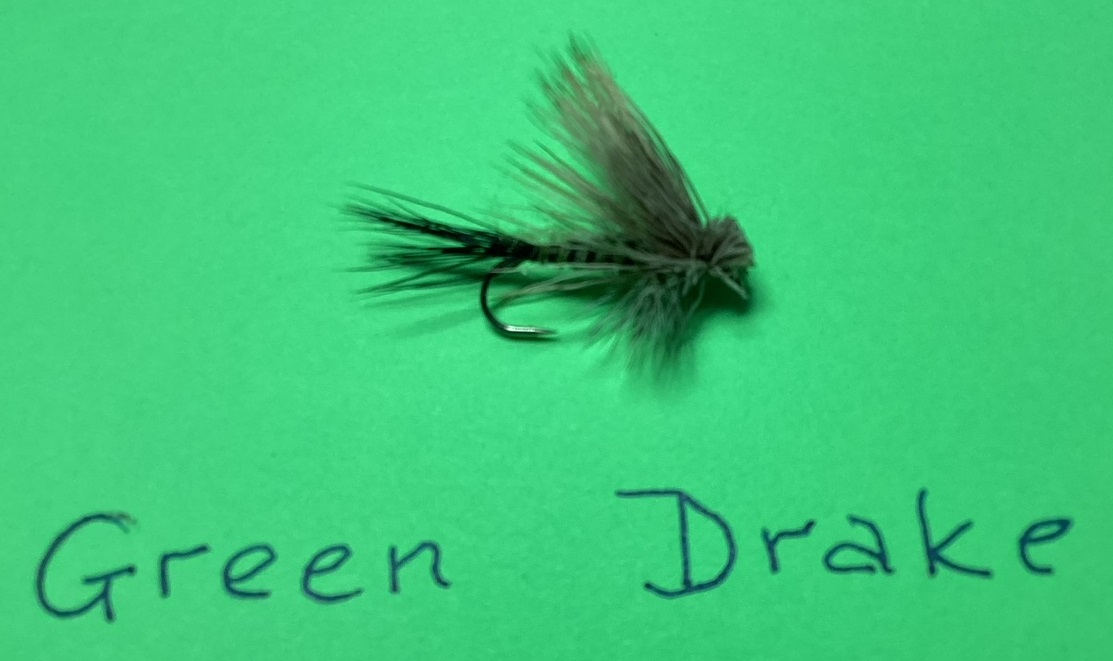
Green drakes are a mayfly that hatches out in June and early July in the western United States. We will be tying the adult version. This is a large mayfly and should work well via zoom. And for you who are new to our fly tying classes, all materials except for thread are provided for the class which is free. 6/0 thread will be used in this class. If you need to borrow tools vise and or thread, that can be made available to you. Beginners are always welcome, but need a little instruction ahead of time via FaceTime. Call to sign up and a packet of materials will be put at my front door for you. 831-688-1561
Future tying classes. Dates and subject may change, please go to URL to see the current information.
| Monthly Speaker | Date | Excerpt | |
|---|---|---|---|
![]() | May 11 | Cricket | – dry fly for trout – streams and rivers thought the West – black 6/0 thread |
![]() | Jun 08 | Dali Lama | John Steele, Instructore – The Dali Lama is our go to fly on the Tsiu for silver salmon. |
![]() | Jul 13 | Pat’s Tungston Bead Head Rubber Legs - JULY Fly tying | Dar Naghshineh, Instructor – Pat’s Tungston Bead Head Rubber Legs is primarily for trout, but also black bass. |
![]() | Aug 10 | Fluke Fly - Aug Fly tying | Greg Foy, Instructor – Fluke Fly is a jig to target Black Bass and Sunfish |
![]() | Sep 14 | Foam Run Caddis | A simple great drive fly pattern for this month. |
![]() | Oct 12 | Cicada | Fly for bass, trout and carp! |
Posted on March 25th, 2022


There are 15 species of callibaetis in the western United States in Canada. They emerge in spring, summer and fall, and are usually larger in the spring and smaller in the fall. Their distinguishing features are two tails, tan under body and modeled wings. They prefer still water but can be found in slow moving water as well. Use a floating line, apply floatant, leave still on water or dead drift.
HOOK: TMC 100. Sizes 12-16. Crimp Barb. Crimp Barb.
THREAD: Tan 8/0
Apply mid shank. Wrap forward to 1/3 back on shank. Cut thread tag.
WING: Hungarian Partridge
Using two feathers, pull barbs off base of feather until a narrow fan is formed. Length of fan should equal hook shank length. Attach feather to top of shank tips, forward and stems to rear , at junction of feather and stem. Pull feathers upright and make several wraps in front to hold in place. Tie down 1/8 inch of stems behind wing cut access. Make several thread wraps around base of wing to hold upright. Wrap thread to rear of shank.
TAIL: dun microfibetts
Make thread ball with 8 to 10 X thread wraps on top of one another. Wrap thread forward 1/3 of shank. Select 6-8 fibers(keep tips lined up). Lay on top of shank, tips extending well to rear. Tie to shank with four touching three thread wraps toward ball. Pull fibetts forward to make tail equal to shank length. Divide fibetts with bodkin. Pull the fibetts on far side away from shank and slightly upward, take one thread wrap toward ball. Grab remaining fibetts, pull them toward you and slightly downward. Take another wrap of thread toward ball. Repeat last two steps a couple more times. Ending at the ball. Cut access.
BODY: Tan super fine dubbing
Advance thread one wrap. Dub a narrow tapered body up to wing.
HACKLE: Grizzly, barbs equal to hook gap
Form a crew cut at butt end of feather by cutting 5 to 6 barbs short on each side of stem. Tie crew cut in at base of wing with dark side of feather toward you and tip to rear.
THORAX: Tan super find dubbing
Dub around base of wing. Taper dubbing forward to one hook eye length behind eye. Spiral hackle forward, two wraps behind wing, to in front of wing. Tie off cut access. Tie thread head. Whip finish, cut thread.
Posted on March 25th, 2022

The Quigley represents an merging mayfly that is stressed in an unusual manner to make the rear of the fly hang down in the water and the thorax and wing out of the water. Apply saliva to the body tail, then floatant to the wing and hackle. During a hatch fish tend to be more eager to take an emerger than a dun because they are not ready to fly off.
HOOK: TMC 100, sizes 14 16 18.
THREAD: Gray 8/0 or 12/0(preferred).
TAIL and BODY: Gray marabou (fluffy)
THORAX: Dark Olive Debbie.
WING: Deer hair with narrow fibers
HACKLE: Grizzly
Posted on March 25th, 2022

April showers bring May flowers. What does May flowers bring? Pilgrims.
We can only hope for April showers, given California is once again entering another few years of low water (drought).
Isn’t pilgrim a funny word? Who came up with that one? We never use that word to define someone entering a country anymore. Sound more diffusing, comforting, than the words immigrant or migrant. Writing this caused me to look up the word. I figured it was just because they were people discovering a new country. Turns out, it is “a person who journeys to a sacred place for religious reasons”. As in the English Puritans fleeing religious persecution on the Mayflower and landed here in Plymouth, Massachusetts in 1620.
A person who travels on long journeys – pilgrimage.
I like traveling on long journeys for fly-fishing reasons, which we could all argue are in fact religious. Aren’t they?
Don’t we all meditate, flee reality, think deeply, clear our minds, take deep breaths, sigh a big relief, love friends, love the outdoors, and pray considerably in all manners of the exercise of this sport?
How many times I’ve asked God for just one fish, or for my son, my daughter, my wife, my friend, to catch a fish while we are out. So they know how exciting it really is to cause one of these creatures to take this bundle of fur and feather on a tiny hook, bring it to hand, admire it’s beauty. The enormous power we have over it, but how gently and carefully we act to watch it swim away. That feeling when it has left our hands. A gift it was to us, and a gift we gave back so that it could continue living.
How many times I’ve stopped, looked around, shook my head and sometimes cried because I couldn’t believe how beautiful it is where I am standing, with whom I’m standing, and how fortunate I was to be there. How hard it was to get there and how many times I figured I might not get there. But oh how worth it, it was, and how you couldn’t imagine making another decision, glad you did. If it was easy, everyone would do it, and it just wouldn’t feel the same – would it?
A pilgrimage, perhaps several, is necessary for all of us. Living – I mean really living – requires them. Some of them are small – perhaps a morning, an afternoon, or an evening. Some, you make sacrifices, working hard for several months, several years, perhaps much of your life. You save, plan, organize, and maybe you pray it all works out. You battle, ‘should I go, or should I not go.’ Sometimes over and over again. Sometimes in the middle of the night when work, family, or something else stirs you to thinking you shouldn’t go. You pray it’s the right decision to take the time and go. Some might say it’s just fishing – and aren’t you lucky, or they tell you there are other, more important things you should be doing. But there aren’t. This is it.
You know when you’ve left, when your feet are finally in the water, all of those things you battled before you made the trip, are gone. In a second. They washed away as soon as you stepped in the water. Your first cast makes you take a deep breath, exhale, and you feel an enormous weight lifted; gone. Your focus turns completely to that bundle of fur and feather, ten, thirty, sixty feet away from you, drifting in the column of water. Nothing else comes to mind but that tiny little bundle at the end of that line, in that body of water, on this entire planet. Nothing. You wait, you watch, you listen. You pray.
When I was a kid, my pilgrimages where to my Gram’s Cottage on the weekends, leaving school, my paper-route, and any issues my parents might have, grabbing my Ugly Stick, tackle box and heading for the water. Even those were tough to get to at times. As we “mature”, pilgrimages seem to get larger, a bit more involved, riskier. As they should. But I suppose the more grand the adventure, the more religious, the experience.
I really didn’t mean to write this with pilgrims or pilgrimage in mind. It was the fact it was raining, that we haven’t had any rain, and my hope for April showers, and maybe even some May and June showers, would help us get through another low water year. But I learned a bit more about pilgrims and pilgrimages.
And while it was certainly not a need to flee religious persecution, or flee for any reason, I’m not often given an opportunity to take some time and plant my feet in a big river for a few days. So, at this writing, I’m making a bit of a pilgrimage to the Rogue to fish with Kait and James from Humble Heron Fly-Fishing, casting my thirteen six, eight weight spey rod, swinging big flies for steelhead. Grateful for Rich’s invite, even though he cannot make it, which I will miss a lot. But, I certainly cannot wait to get in the truck with Mike, and get my feet in the water, feel everything wash away, take a deep breath, focus on that bundle of fur and feathers and pray for the opportunity to bring a Steelhead to hand, witness a beauty all its own, and know that feeling of letting it slip out of my hands, back to the water it belongs to. Maybe a few times!
Each one of them changes you. Recharges, renews you. Make a pilgrimage or twelve.
Posted on March 19th, 2022
If you enjoyed receiving items from Doug’s estate at the January and March club meetings, you will have the opportunity to do that again at both the April club meeting. His desire was that club members would have the opportunity to receive his fishing belongings . Some will be in raffles but those at the club meeting in April will be free for the taking. Donations will be welcomed if you so choose. The pictures show a lot of the items that will be up for grabs . The doors will open at 6 PM at the Grange and the meeting will start at 6:30. Don’t miss out come early to choose what you would like. The meeting will also be via zoom, so if you wish to come for some donated items and then go home to do a zoom meeting, that will be fine.

Posted on March 11th, 2022

It’s amazing how much plastic is a part of our world. It’s hard to imagine how we could go about our daily lives without the utility and convenience it provides. However, our planet is becoming overwhelmed with plastic—especially in our oceans. Here are some statistics that appeared in a recent article in Fishbio titled “Toxic Soup in the Plastic Age”.
This all sounds overwhelming and we are going to drown in our own creation. So, what can we do? Here are ideas from the Monterey Bay Aquarium.
For more specific actions you can take from these ideas from the Monterey Bay Aquarium, go to
https://www.montereybayaquarium.org/act-for-the-ocean/plastic-pollution/what-you-can-do
Posted on March 11th, 2022
We have a lot of talent in our community. For a fly-fishing club, in a surf community that was once mostly a retirement town with surfers and outdoorsy people, we became a fly-fishing club.
You might find it interesting, that we really don’t have that much fly-fishing around here anymore. Certainly not a “trout stream”. But did you know that as far back as the early 20’s, hatcheries were built along the San Lorenzo for the purposes of supplanting year round trout fishing? That’s right! Back in the 20’s, clear through the 50’s, you could fish the San Lorenzo, and most, if not all, of her tributaries for trout – all year. And your limit – per day?! 25 fish. At least for a while. Then it went to something like 5 or 10.
True! I remember Jim Lazarotti, who spent his life here, from the 50’s until he passed away in 2008, working to save the San Lorenzo, telling me that he would fish Zayante Creek before school catching fish his mom would make for dinner.
We often marvel at the catch rates from the old days, but I also wonder if those catch rates were not also kill rates, would the rivers and tributaries have been better today. Probably not.
The surf, cars and airplanes, have provided us the ability to be fly-anglers with plenty of opportunities to feed our desire to be out of doors, in the water, marveling at fish, and all things within those elements of the healthy habitats where we find these creatures. Fluttery things, crawly things, four footed and two footed (Big Foot and Sasquatch! – just seeing if you’re paying attention), perhaps some peace and quiet away from the hustle and bustle of being stuck at home or afraid to go somewhere, with or without a mask, because of a pandemic. Which, by the way, is ending. Funny how it’s now called an endemic. Weird cuz it wasn’t called a begindemic. Never mind.
I hope if you’re reading this after February 27th, you got to go to the Fly-Fishing show in Pleasanton on the 25th to the 27th. I am so excited to be going again, especially since so many of you are also going. I’m sure there is something I still need there even after now 30 years of fly-fishing under my belt.
I’m also excited about our March meeting as it will be at the Grange, with a raffle, an in person guest speaker – Dagur – from Iceland. And a chance to see some of you who I only just met these last 2 years via Zoom – in person! At this meeting, we are also going to work on our “hybrid” solution, which is to run the meeting in person and via Zoom for those who can’t make it. Please bear with us as we may bump along at this meeting, trying to dial in the technology we need to become our own 1 million subscriber YouTube channel. Okay, kidding. We really just want to be good for those who can’t be at the meeting in person and can still enjoy the club meeting.
In this newsletter you will also read some beautiful tributes to three of our long-time members who left this planet this year. Matt Murphy, Jim Black and Pat Murray, all of whom were beloved members, family and friends with their own special gifts they bestowed on the club, their family and those who were very close to them.
If you have a knack for writing – please note that you can write a nice article, or even just a few sentences, and publish it in our Newsletter. Yes – You! Just find the tab on the website, under Newsletter, Article Submission, fill out the details, the write your article. Easy. We’d love to hear from you and put your input in our newsletter.
Michael McGannon has been our Marketing and “merch” guy for several years. I’m super grateful for Michael, because every time we’ve been together, he’s often drawing on a napkin – which I’m constantly stealing from him to hide in my own personal collection. The Picaso fish, the multi-caster, the tangled mess, and others he’s drawn up. At one of our last meetings, I explained to the board I wanted to have something related to Santa Cruz – Santa Cruz Fly Fishing. So what better way to describe that than on a surf board! This is an initial rendition that Michael drew up for me, and I love it. Note the Striper in the waves. Truth be told, is I got this idea from an old advertisement Salz Leathers used to promote a leather they made called “Surfer”. It was a waterproof leather we made for the likes of Timberland and Wolverine boots. Similarly, it was a heifer surfing. Likely a native heifer – but that’s another story. I envision this one being refined a bit, then being available as a T-Shirt – Santa Cruz Fly Fishing. Who knows, maybe we can get the “Santa Cruz” logo on it and sell it in the surf shops!! Wouldn’t that be a hoot! Thank you Michael!!
I’ve really enjoyed our Zoom meetings. I don’t know what we would have done if it weren’t for that technology which until then, was just a way for companies to hold fancy meetings in conference rooms and offices and for those who might have been “remote” for one of those meetings. I am certain Zoom never thought they’d be taking on the whole world when the begindemic occurred. And while we often use fly-fishing to get away from it all – it all – meaning technology, that very “technology” has made fly-fishing infinitely more enjoyable, perhaps a bit easier to learn, and Zoom gave us a chance to break down barriers, not otherwise possible.
But I sure am looking forward to seeing you, shaking your hand in person. My only regret is that I won’t be able to “mute” you all when it comes to start the meeting.
See you soon!! Really – not kidding!!
Posted on February 23rd, 2022
mobile scrollable table
| EVENT NAME | EVENT DATE | SPECIES | FISH MASTER |
|---|---|---|---|
| Manresa Surf Fishout | Jul 11 | ||
| Palm Beach Surf Fishout With The Delta Fly Fishers | Aug 01 | ||
| Yuba River – 21 Aug 26 | Aug 21 - Aug 23 | ||
| Alaska Kenai Peninsula Fly Fishing | Sep 08 - Sep 15 | ||
| Mammoth Fishout -Sept. 19-Oct. 3rd 2026 | Sep 19 - Oct 03 | Trout | John Cook fishmaster-- (831)688-1561 or (831)234-6515 |
| Lower Sacramento River Group Float – Hosted by the Delta Fly Fishers | Oct 10 | ||
| O’Neill Forebay ‘Stosh’ Memorial Fishout October 15-18th | Oct 15 - Oct 18 | ||
| Trinity River Fishout | Nov 13 - Nov 15 |
Location: Manresa State Beach
Directions: Take San Andreas Road from the freeway all the way to the coast, passing under the railroad bridge and continuing beyond the State Park until you get to Oceanview Drive. Turn there, bear to the right and park in the parking lot
Fish Master: Sam Bishop / 831-274-4024 / sambishop@totlcom.com
At 0545 am, Saturday, July 11 our club surf fishout will be at Manresa Beach. This is a beach that can challenge you and pleasantly surprise you. Stripers catches are not unusual on this beach.
Sunrise is at about 6 am, so you should be there ready to fish by 15 minutes before that.
Around 8 – 8:30 am I will be back up in the parking lot and serving some hot snacks, quesadillas probably. No coffee though, so bring your own beverage if desired.
There is a minus 3.4’ tide at 3 am and high is 3.4 at 10 am, so we will be fishing an incoming tide. Some people believe that is the best type of tide, but I cannot verify it. Seems to me when the fish are hungry they bite. Very little moon that night too, which should be good.
Newcomers to fly fishing the surf are welcome, but please go to our club website, drop down menu “KNOWLEDGE” and read the “Surf Fishing Info” section. And if you are really new to fly fishing and do not know how to cast, this is not the place to learn.
Any additional questions, call or email me at 831-274-4024 sambishop@totlcom.com. I will have a couple spare stripping baskets to loan and flies to give away.
Additional Details to Follow
Cost: Maybe some lost flies…and the fish of a life time
Special Considerations / Links: Tides, Wind, Swell, tidesandcurrents.noaa.gov/
Lodging / Food: See above
Fishmaster: Scott Kitayama / scottkitayama@gmail.com
Location: Palm Beach
Target Species: Surf Perch and Stripers
Gear: 6-8wt. Rods with full sinking lines or shooting heads to match the rod. Polarized glasses (safety),
Mandatory Accessories: Wader Belt & Stripping Basket
(If a basket is needed, some maybe available to borrow or purchase. Please contact the Fishmaster ahead of time. Also there are many DIY Stripping Basket making tutorials online)
Single, double & triple fly rigs
Clousers to sand crabs
Directions: Take W. Beach St. in Watsonville towards Pajaro Dunes. Park at the end of W. Beach St. on the right side of the road outside of the entrance to Pajaro Dunes.
Note: The Delta Fly Fishers will be joining us on this Fishout. Join us and meet some new people and trade some notes.
Day High Tide Height Sunrise Moon Time % Moon
/Low Time Feet Sunset Visible
Sa 1 Low 6:52 AM 0.0 6:14 AM Set 9:14 AM 95
1 High 1:35 PM 4.3 8:15 PM Rise 9:56 PM
1 Low 6:49 PM 2.3


The information provided below has been modified from the Grizzly Peak Fly Fishing Club and Tri-Valley Fly Fishing Club (2022-23)
Special Notes
The outing is limited to 20 people. With a $50.00 buy in payable to the club. Jump to reservation form
Due to the limited capacity, reserving your spot is first come first serve starting July 1st at 9am thru the club website. Payment due at time of reservation. No refunds.
Camping will be available on the property beginning at 4 PM Friday and extending to Sunday evening. Fishing hours are dawn to dusk. Gate code will be sent out as we get closer to the Fishout date. Each angler will be responsible to close the gate behind them. The gate code will be emailed to us the week before the trip. Additional details to follow as we get closer to the date
The Lower Yuba is accessible from the sea – you must have a 2026 California Steelhead Reporting Card in addition to your fishing license. Unlike the license, the report card must be delivered in hard copy, either by snail mail or by hand from a fishing store. Plan ahead!
Location
University of California Sierra Foothill Research and Extension Center, 8279 Scott Forbes Road, Browns Valley, CA 95918. Meet at the gate to the river road (N39.24672°, W121.32222°), which is on your right about 1/3 mile before you reach the research center. Note that, misleadingly, there is a sign at the gate that says “No Fishing Access”. The gate will be opened and then locked behind us. 2.5 hrs from Berkeley. Take I-80 east to Sacramento, turn onto I-5 north, then onto Hwy 70 to Marysville. Pass through downtown Marysville on 70, and as you round the lake, turn right onto Hwy 20 east. Continue 15 miles, pass the Sycamore Ranch Campground. At the sign to the UC Station, turn left onto Peoria Rd, and then at another sign, bear right onto Scott Forbes Rd (also called Long Bar Rd). The gate is just past Sicard Flat Ditch. SCFFC strongly encourages carpooling.
General Notes
Our Club event on the Yuba will be on the private property owned by the University of California and is one of their Sierra Research facilities. We have contracted for TVFF’s exclusive use of the facility for the two days over the weekend. The river is about 1.5 miles above the highway 20 bridge over the Yuba and accessible only through a locked gate for a maximum of twenty (20) anglers per day. There is approximately 2.5 miles of available river that is the tailwater section a mile or so below Englebright Dam. The river has easy and level access, so it’s ideal for those less comfortable in heavy current wading situations, although that is also available for those Euro Nymphing.
The UC facility is on many acres in a pastoral valley leading down to the river. Most of the research here is for cattle, grazing land management, and erosion control so it is very quiet with no nearby roads, ranches, or houses. There is a covered picnic area that sits above the river with 8-10 picnic tables and a porta potty restroom with hand wash station that is also available on site. No water on site, limited cell phone reception, no fires. All in all, it’s a very scenic and serene site.
Gear and Tackle Recommendations:
Yuba River fish are notoriously “hot” and frisky. They workout full time in the strong current and just love to play in it when disturbed by a sharp hook. Anticipate that you will see strong runs on hook ups and that the fish will feel like they are 4-6″ larger than you see in the net. So…
Rod & line weights/types: 5 or 6 weight rods, reels and floating lines are the norm to help control their runs. A 4 weight for Euro Nymphing should work well as long as it has a good stiff butt section to manage any runs.
Leaders and tippet: Fishing style dependent but normally I fish a 9’ 4X leader and adjust with added tippet of up to 4-6’ of 5 for the dry flies, and stick with 4X fluoro for the nymphs.
Other gear:
Note that we will not be using any watercraft as this is a walk and wade event with float takeouts way too far downstream to be of use for us.
Flies: Flies to match and we will send out a more current list as we get closer to the dates and better understand how the weather and water are impacting the hatches. Typically, you will need Skwala dries and nymphs, Pale Morning Duns, Baetis/Blue Wing Olives, Pink Alberts, Little Yellow Sallies, Pale Evening Duns, Golden Stones, and four varieties of Caddis.
Location / Date
University of California Sierra Foothill Research and Extension Center, 8279 Scott Forbes Road, Browns Valley, CA 95918.
August 21st – 23rd 2026
Fishmaster
TBD – Please contact Justin Ice if interested in hosting this event justin@schwagerdavis.com


September 8–15, 2026
(Additional week: September 1–8, 2026, if enough anglers)
Each week will be made up of 8 anglers, with Rick and Jesse serving as hosts. This document provides an outline of the fall Alaska fly fishing trip. All projected dates and plans are subject to change based on weather conditions.
Arrive in Anchorage. Groups will pick up Turo rental vehicles and drive to a rental cabin near Sterling (between Soldotna and Cooper Landing). Groceries and supplies will be purchased in town.
Drift boat fishing on the Upper Kenai River with Rick and Jesse (weather permitting, possibly through the canyon). The third group will wade fish the Russian River.
Drift boat float from Skilak Lake outlet to Bing’s Landing on the Middle Kenai for Rainbow Trout and Dolly Varden, with potential Coho opportunities. The wade-fishing group will travel south to the Anchor River for Steelhead.
Rick and Jesse’s groups will either fish the Upper Kenai again for Rainbow Trout or float the Kasilof River from Tustumena Lake to the bridge for Steelhead and Silver Salmon.
Groups consolidate into two groups of five anglers. Fishing will take place on the Anchor River and Deep Creek for Steelhead. If weather conditions prevent fishing, the group will fish the Russian River.
Both groups fish the Upper Kenai and Russian River together. Optional hike to the Upper Russian River to view salmon jumping the falls.
Optional saltwater fishing charter for one group while the other group fishes for Steelhead or Trout.
Drive back to Anchorage, return Turo rentals in daily parking, and depart Alaska.
The group will dine out in town for three dinners. The remaining four dinners will be prepared at the cabin, with two anglers paired each night to cook. Breakfast and lunch planning will be finalized once all anglers are confirmed.
If an angler decides not to attend, they are responsible for selling their spot to another angler or forfeiting their portion of the rental costs (deposits & payments are non refundable).
Jesse Collins
C: 831-227-9987 <jesse@jcollinsproperties.com>
Rick Chace
C: 831-234-9200 <rchace@got.net>
Jesse & Rick will be hosting a table at the January SCFF meeting. At that time will take $700.00 deposits on the trip.


General: We will be staying in condominiums in the town of Mammoth Lakes (Max limit 8 per week). The condo complex has a lovely hot tub, so bring your suit. Two people per bedroom. Most people bring a sleeping bag to share queen size bed or a pad and sleeping bag to sleep on floor. A private room option is possible at an increased fee.
Cost: Shared single: $500/wk, $1000/2 wks.
Sign Ups: We will begin taking Mammoth reservations and money starting at 6:30 pm on Wednesday, March 4th (at the March Meeting). Please note that you are NOT on the list until I have your check, YOUR CHECK SAVES YOUR SPOT!
Check Payable to: Scott Kitayama. Mail: 36 Pima St, Watsonville, CA 95076
Group is limited to 8 in the condo per week. COST: $500/person . Please note that you are NOT on the list until I have your check, YOUR CHECK SAVES YOUR SPOT!
Payment of $500 is required to secure your spot. we need people to sign up as soon as possible. Should you need to cancel, you can find someone to take your place and get your money back.
Fishmasters:Scott Kitayama: scottkitayama@gmail.com , mobile: 650 279 5871 and Randy Saar: randy_saar@yahoo.com, mobile: 650 269 6138
Dates: This Fishout will take place over two consecutive one-week periods. You may sign up for one or both weeks. Week 1: Sept 19- Sept 26. Week 2: Sept 26 – Oct 3.
Location: The town of Mammoth Lakes is located on the eastern side of the Sierra, 6 or 7 hours drive from Santa Cruz. There are many lakes and streams in the area to fish.

Food Preparation: Breakfast and lunch items will be purchased by the Fishmaster ahead of time. Each person will be assigned a Kitchen Day. On that day, tasks will include setting out breakfast and lunch items, store unused food, and preparing the evening meal and clean up afterwards. Each person will be responsible for a dinner that you will need to purchase and prepare. You will then be reimbursed for the cost for the dinner.


Greetings,
The Delta Fly Fishers have offered the Santa Cruz Fly Fishing Club the opportunity to join them on their annual guided float trip on the Lower Sacramento River.
See the information below from the Fishmaster Robert Fujimura.
Lower Sacramento River Group Float Outing with Santa Cruz Fly Fishing Club– Saturday October 10, 2026
Delta Fly Fishers are happy again to invite your club to join this annual Delta Fly Fishers outing with host Scott Sugimoto of On the Riffle Guide Service and his guides and support staff for another awesome day on this famous tailwater fishery for resident rainbow trout. Scott and his team have successfully hosted our club annually for several years during the prime fly fishing season. The Lower Sacramento River fishing has been a reliable and renowned trophy trout fishery of the West. Suitable for novice fly fishers but still fun and challenging for the more experienced ones.
Participants will have a full day of guided indicator nymph fishing from a drift boat with an experienced guide per two anglers. Fishing gear, flies, shuttle service, and all you can eat group BBQ lunch are provided. The guide fee of $300 per person (double occupancy per boat) does not include tip.
Please contact Bob Fujimura to register and pay your guide fee before August 30 or earlier (email [deltaflyfishers@gmail.com] . Early registration will help ensure that we reserve our guides in advance – so don’t delay in registering if you are interested in this annual crowd pleaser. Registration requires prepayment of guide fees and submission of a DFF liability waiver form. All guide fees are non-refundable in the case of you cancel your trip – however, you can sell your spot to another club member.
Our annual outing is a fun event for our club members with a long history of repeated participation by its attendees. Registered participants will be provided with additional detailed information (via email) on pre-event fishing conditions, recommended fishing equipment or gear for optional use during or outside of the guided day, local group dining or lodging options, and other trip activities. On request, non-DFF club registrants can be provided with a Zoom orientation session prior to the event. Scott also welcomes inquiries about the guided itinerary and technical questions about this event (email: scott@ontheriffle.com or phone: (530) 276-1612).


Event: O’Neill Forebay ‘Stosh’ Memorial Fishout
Date: October 15th – 18th
Target Gamefish: Striped Bass
Location: Medeiros Campground located on the Southern Shoreline of the O’Neill Forebay, access off of Santa Nella Blvd. (Highway 33)
Hosts: Kevin Murdock troutdock89@gmail.com
These are primitive campsites so bring your own water. There are tables, sun pavilions, and chemical toilets, or outhouses and fire rings. No open fires are allowed outside of the rings.
Typically we will be camping as close to site 29 as we can get. This is a first come, first serve campground, so no reservations are accepted. Float tubes can be launched near the campsites, but boats must be first inspected, then launched from the San Luis Creek Boat launch. Boats may not be left on the lake overnight. Boaters would be wise to exit prior to the closing of the entry kiosk. The ranger can place a seal on your trailer, allowing you to bypass the inspection process the next morning.
The rangers at the kiosk by the Medeiros entrance may insist that your float tubes need inspection. make sure they’re clean & dry.
Equipment: 8wt rods with fast sinking lines. Some anglers will occasionally use a floating line with a ‘gurgler’ type fly
Flies: Lee Haskins San Luis smelt, ‘Deceiver’ type patterns in red, white, chartreuse, the aforementioned gurglers and poppers.
Float tubes (may require inspection for quagga and golden mussels)
Fins, sunscreen, polarized glasses, life vest
Links:
https://mengsyn.com/ A fly-fishing addict who fishes San Luis Reservoir and the Forebay.
http://www.danblanton.com/ Long time local fishing guide.
https://cdec.water.ca.gov/dynamicapp/QueryDaily?s=Onf
There will be a signup sheet at our September meeting. We’ll also create a list for those hoping to participate in a pot luck in honor of Steve ‘Stosh’ Rudzinski.
Weather conditions can vary dramatically, so it would behoove members to check prior to departure. You could email me or just get conditions on-line. High winds can cause the lake to be closed to all vessels.
This is one of our nearest Fishouts, with the possible payoff of a double digit fish! Don’t miss out!

NOTE: Contact Alex Ferber if you are interested in going on the trip. After knowing how many people are interested, it will be easier to plan logistics (camping? motel?). You can text Alex at (831) 419-0564 or alex.ferber74@gmail.com. If you want to go on this trip, it is highly recommended to attend the Spey Classes.
Posted on February 23rd, 2022
We will be making poppers so that we can go for those big mouthed bass. In the past the class has spanned over 2 days and involved lots of paints, epoxies, glues, solutions, along with various other supplies. It is not reasonable to assume that everyone would have everything that would be needed to craft these beauties, and not practical via Zoom. In order to not miss out this year, a simplified method has been devised which will give everyone reasonable and useful poppers. The only thing you will need to complete your popper fly is clear nail polish and Supper Glue or equivalent. If you have 30 min epoxi, a variety of acrylic paints and rubbing alcohol, your finished fly will be more like the ones we usually craft. Some lead time for prepping and putting supplies together will be needed. So please sign up soon but no later than Mar. 5th. It will still be a 2 day class, but fewer hours than usual. We’ll start at noon. Allow 2-3 hours each day. You beginners to fly tying should feel comfortable doing this class. As always, the class is free and materials provided. Very strong thread, any color, such as flat waxed nylon or monocord will be needed. If you need thread, or tools and vise if you are a beginner, the club can loan them to you. Materials , directions and tips for bass fishing will bagged for you to be picked up at my door. Call me to sign up @ (831)688-1561
Future tying classes. Dates and subject may change, please go to URL to see the current information.
| Monthly Speaker | Date | Excerpt |
|---|
Posted on February 23rd, 2022
The March Meeting will be both in-person and on Zoom. Doors at the Aptos Grange will be open by 6:00 pm while we set up and test the system. The Zoom meeting will start by 6:30 pm, the link is here: https://us02web.zoom.us/j/83842895848

Dagur Gudmundsson was born and raised on the wind-swept rock of Iceland, where he grew up chasing everything from arctic char and ice age brown trout to Atlantic cod and pollock. During his teenage years, he moved to the Central Coast of California where the fishing is quite different from the cold waters of Iceland.
When he was 18, Dagur started guiding at the world-class salmon river West Rangá, which in addition to having some of the most prolific Atlantic salmon fishing in the world, also has huge native brown trout in its upper reaches.
In between spending his summers guiding in Iceland, Dagur attended California Polytechnic State University-San Luis Obispo, where he acquainted himself with the local fisheries through lots of trial and error. He recently started a fly fishing guide service in San Luis Obispo with a focus on the area’s overlooked fisheries when it comes to fly fishing, such as bass, carp, and surf perch. Dagur also ties and sells flies, is a regular contributor to California Fly Fisher magazine, and teaches clinics on carp and bass through the Central Coast Fly Fishing fly shop in Carmel.
Future Speakers. Dates and speakers may change, please go to URL to see the current information.
| Monthly Speaker | Date | Excerpt |
|---|
Posted on February 23rd, 2022

Save the Redwoods League, in partnership with Caltrout, the Yurok Tribe, National Park Service, California State Parks, California State Coastal Conservancy, NOAA Restoration Center and Wildlife Conservation Board has begun a project that includes returning Prairie Creek and adjacent floodplain habitat for salmon and steelhead back to a more natural state. The project is taking place adjacent to the former Orick Mill site north of Eureka in Humboldt County. For more information on the overall scope of the project and an inspiring video, go to the link.
Posted on February 19th, 2022
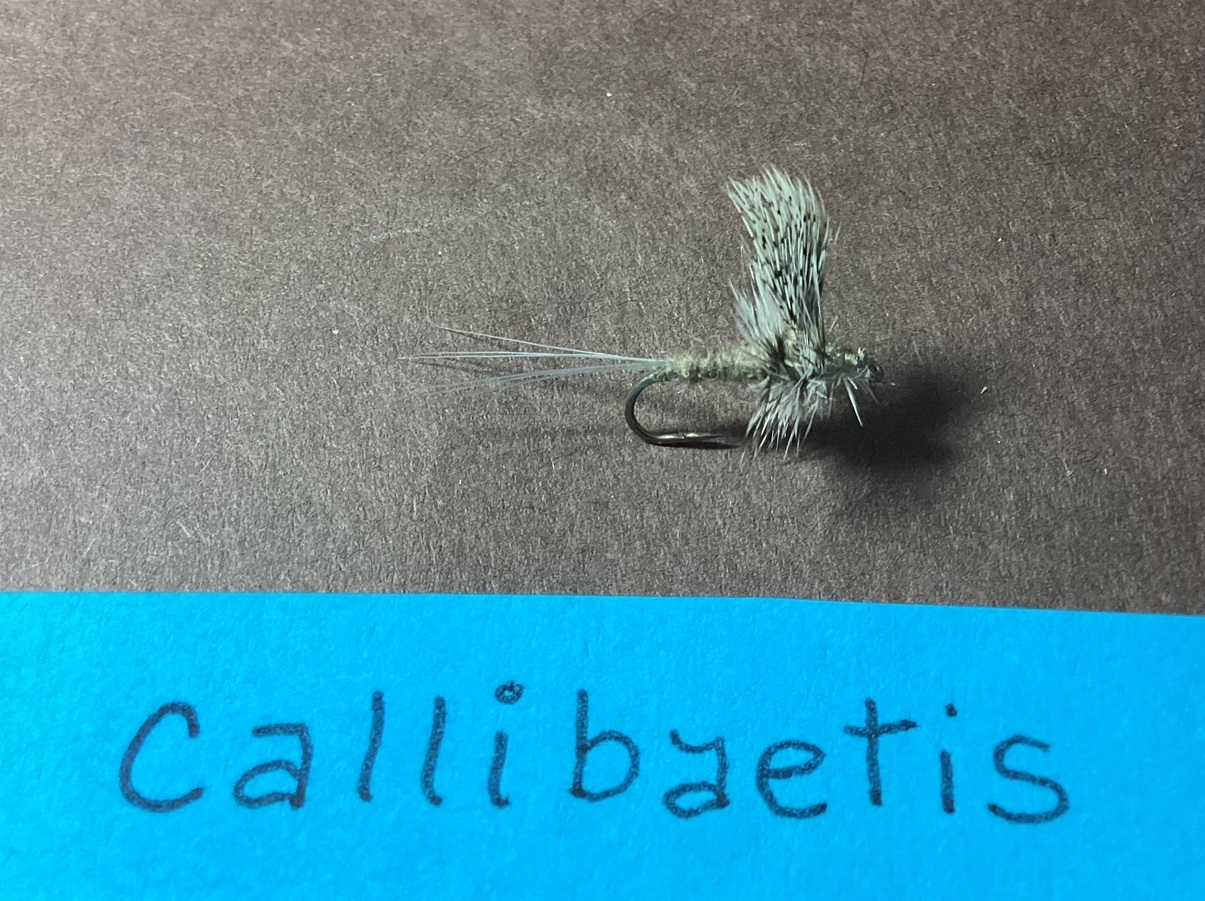
If you are interested in fish-related scientific information, you should check out fishbio.com. They have articles on fisheries research, monitoring and conservation. I came across an article on steelhead kelt reconditioning. What the heck is that? First of all…what is a kelt. Not all steelhead die after spawning one time. Some spawn multiple times. Steelhead that return to the ocean or an estuary after spawning are called kelts. During the journey back down the river post-spawn, kelts are challenged by obstacles such as dams that are typically designed to aid juvenile salmonids—not adults. This is the case on the Columbia river. To help the fish survive, the Columbia River Inter-Tribal Fish Commission and the Yakama Nation have been practicing kelt reconditioning. This involves capturing the fish and placing them in holding tanks where they are given medical attention, fed and allowed to rest for several months before release. The fish are also tracked by PIT tags after being released. For more information on this interesting subject, go to the link.
Posted on February 19th, 2022
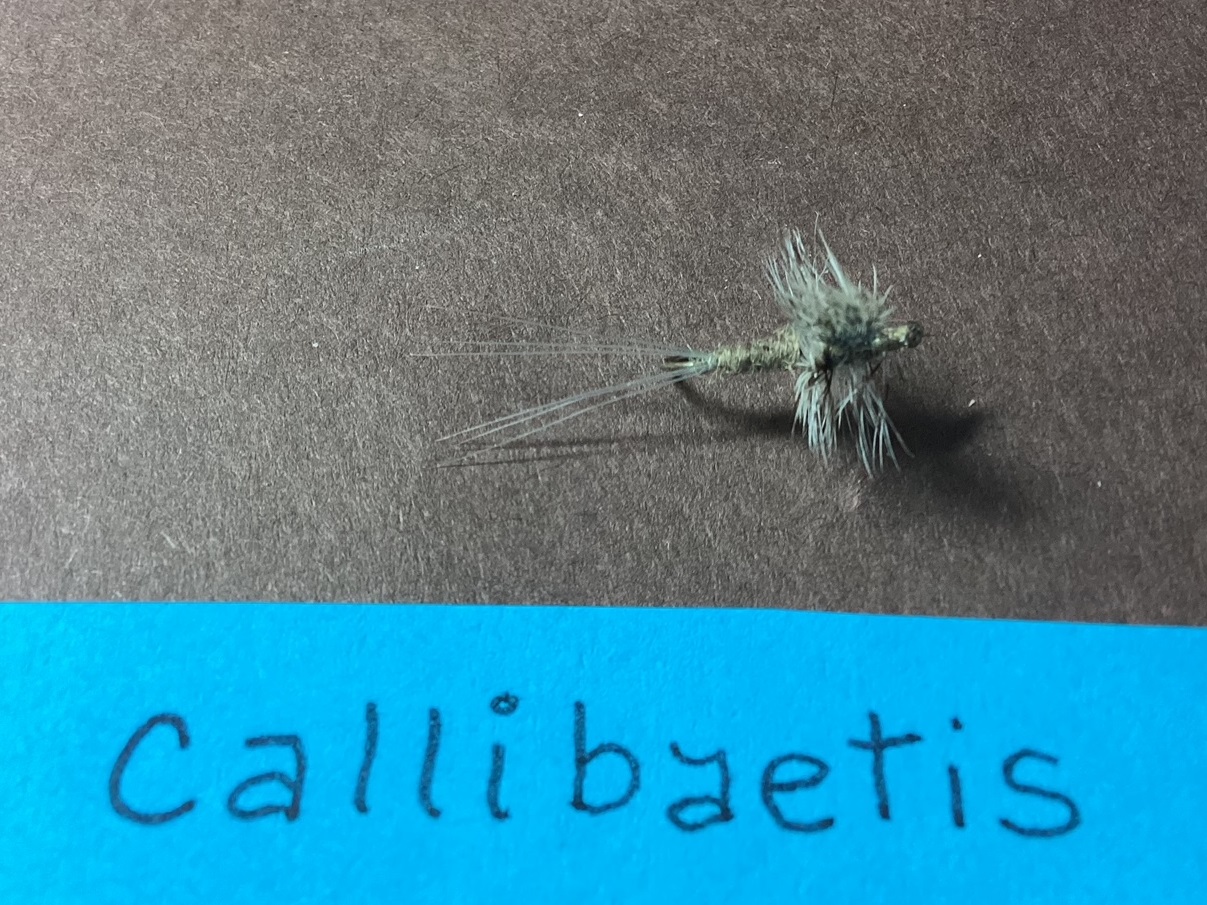
If you enjoyed receiving items from Doug’s estate at the January club meeting, you will have the opportunity to do that again at both the March and April club meetings. His desire was that club members would have the opportunity to receive his fishing belongings .More fishing items and fly tying materials will be available at the March and April club meetings.Some will be in raffles but those at the club meeting in March and April will be free for the taking. Donations will be welcomed if you so choose. The pictures show a lot of the items that will be up for grabs . The doors will open at 6 PM at the Grange and the meeting will start at 6:30. Don’t miss out come early to choose what you would like. The meeting will also be via zoom, so if you wish to come for some donated items and then go home to do a zoom meeting, that will be fine.


Posted on February 19th, 2022
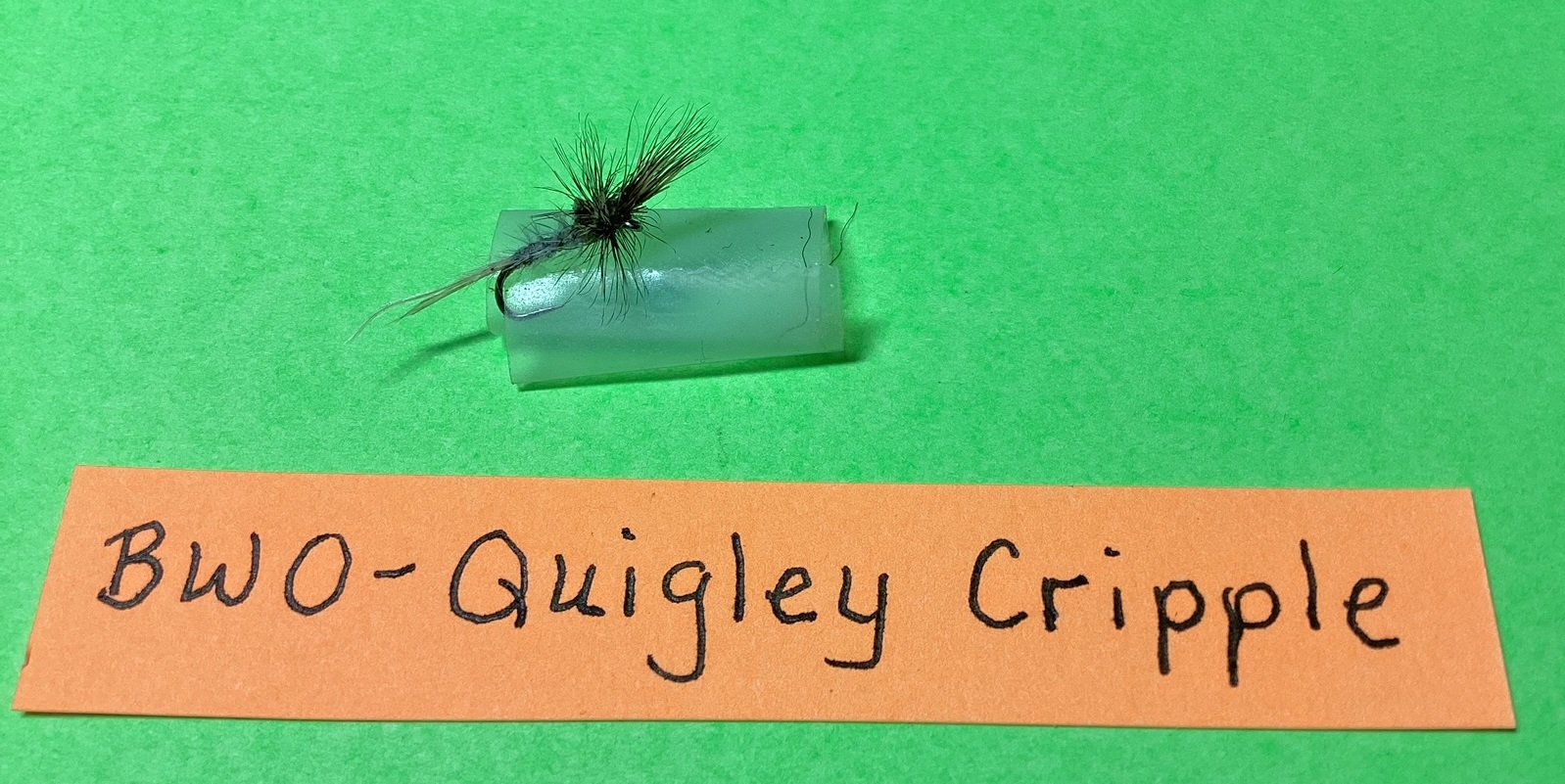
Pat Murray, a dear club member of ours, passed away recently. She was introduced to the club in 2006 by long-term club member Gill Santos. You could find her at many club functions and fishouts ,and help at the annual fundraiser was much appreciated. On one particular memorable horse pack trip into Humphreys Basin in the High Sierra, she kept us entertained with her skills at playing bridge , which helped us deal with the cold rain and then corn snow which fell upon our tarps all day. The O’Neil Forbay was one of her frequent haunts. She really enjoyed catching those mighty Stripers. Thanks Gil for introducing us to Pat who was such a fun friend. – by Elaine Cook


Posted on February 17th, 2022
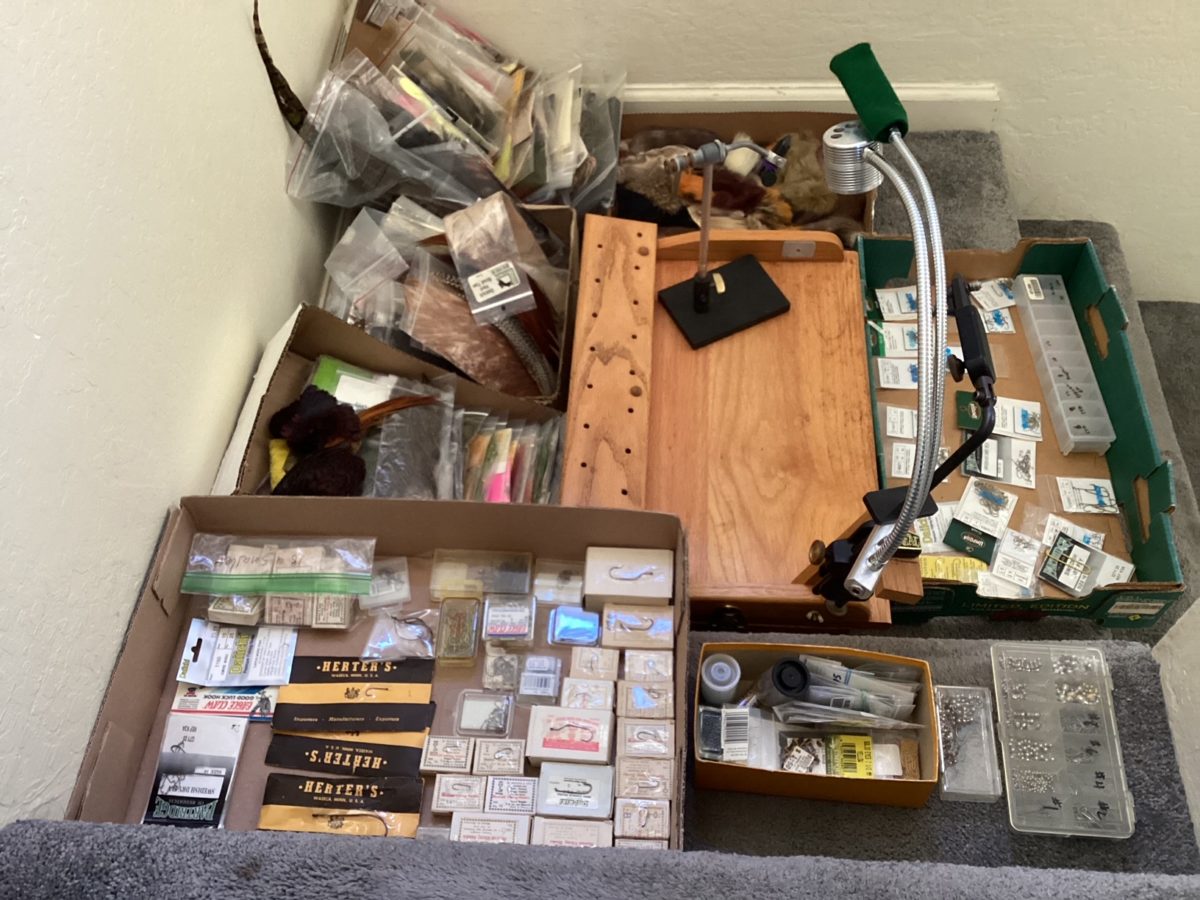
Midges, also known as chironomids, are available to trout year-round. Not only in their larval stage but hatches occur as well. In nature they vary a lot in size and color. For the club fishout at Pyramid Lake tie larger flies. I prefer size 8 hooks. For Crowley lake use smaller hooks. The best way to fish a midge is to suspend it under an indicator so it rides a little above the bottom.
HOOK: TMC 2457 or TMC 2487 sizes 6-16
Note: 2457 is a heavier hook and is typically the hook of choice for a bigger fish like it Pyramid Lake.
Crimp Barb.
BEAD: Silver, size to match hook.
Note, for a size 10 Hook use a size 5/32 inch.
Slip small opening on to hook first, and position behind hook eye.
THREAD: Red, 3/0 or 6/0 depending on hook size
Test thread with glue to be sure it doesn’t turn black when applied.
Thinner thread with larger hooks will require more thread wraps.
Attached behind the bed.
RIB: Larva Lace Other brands also available. This is a vinyl strand with elasticity. Diameter is usually round, sometimes D shaped.
Micro midge for size 16 hooks, midge for 12 and 14, small for eight and 10, medium for size 6. Lay on top of shank with and slightly behind bead. Touching thread wraps halfway back on shank. Then pull on rib material to make thinner and continue with thread wraps halfway around rear bend of hook. Note spin thread counter clockwise to keep flat and avoid twisting.
BODY: Red thread.
Wrap forward with touching thread wraps to cover rib well up to bed. Spin thread as above. Use more touching thread wraps backward and forward to form a slender tapered body if necessary. Finish with thread behind bead. Make one half hitch.. Snugly spiral rib forward in opposite direction of thread wraps, 6 wraps to reach bead, each a little further apart. Secure in place with 5 to 6 snug thread wraps. Cut excess rib. Tie off thread, cut. Applied glue to entire body. Allow to dry.
COLLAR: Peacock hurl and black 8/0 thread.
Attach thread behind bead. Select one hurl from stem of feather with medium to long barbules. Break off fragile tip. Tie tip in behind bead. Make dubbing loop. Hold hurl down side of loop, insert dubbing tool, and twist to make chenille. Make several chenille wraps behind bead, tie off, cut excess. Apply glue to about 1/2 inch of thread near bead, whip finish behind bead, cut thread.
Posted on February 14th, 2022